Yule 2026 falls around the winter solstice on December 21 in the Northern Hemisphere, marking the shortest day and longest night of the year. For many this seasonal turning point is a time to honour the returning sun, celebrate the resilience of nature and reflect on the year that has passed.
Rooted in Northern European midwinter traditions and embraced in many forms, Yule is associated with evergreens, candlelight, seasonal feasts and the warmth of gathering through winter. Celebrations vary, with some people observing the solstice itself and others marking Yule over a longer period.
In this guide to Yule 2026, you’ll discover the meaning and history of the celebration, traditional and rituals, Yule symbols, associated deities, crystals, herbs, altar ideas and seasonal recipes. You’ll also find practical ways to celebrate the winter solstice at home, from simple candle rituals to a more elaborate seasonal observance.
Planning your Yule celebration? Explore my 12 Days of Yule guide for ideas for an extended seasonal celebration, and discover my Yule printable Sabbat guide and videos for more inspiration.
This post may contain affiliate links. If you choose to make a purchase through these links, I may earn a small commission at no additional cost to you. These commissions help support Moonfall Metaphysical and allow me to continue creating free content, guides, and resources for the community.
I only recommend products, books, and tools that align with the spirit of this content and that I believe may genuinely be interesting, useful, or inspiring to readers.
When Is Yule 2026?
In the Northern Hemisphere, Yule is celebrated around the winter solstice, which falls on December 21, 2026. The solstice marks the shortest day and longest night of the year, after which daylight gradually begins to increase.
Many observe Yule on the solstice itself, while others celebrate over several days or follow a longer midwinter tradition.
In the Southern Hemisphere, the winter solstice falls in June, so some people celebrate their winter seasonal observances around that time. Others follow the dates used in Northern Hemisphere traditions.
For ritual ideas connected to the solstice, visit my guide to winter solstice rituals.
What Is Yule? Meaning and Significance
Yule is a midwinter festival associated with the winter solstice, the turning of the seasonal cycle and the gradual return of longer days. Its roots are connected to Northern European traditions, including the pre-Christian midwinter observances of Germanic and Norse peoples. Today, Yule is celebrated by many, with customs that draw on historical folklore, seasonal symbolism and spiritual practice.
The returning sun is one of Yule’s central themes. After the longest night of the year, daylight slowly increases, offering a natural symbol of renewal, endurance and the continuation of life through winter. Candle flames, hearth fires and sun imagery often feature in celebrations as expressions of this seasonal turning point.
Evergreen plants also hold a prominent place in Yule decorations. Pine, fir, holly and other plants that remain green through winter offer a reminder of life persisting during the coldest part of the year. Wreaths, boughs and other greenery are common choices for seasonal altars and home decorations.
For some, Yule is a time for feasting, gift-giving and gathering with loved ones. For others, it is a quieter observance centred on candlelight, divination, meditation or reflection on the year that has passed.
The word Yule is associated with the Old Norse jól and related Germanic midwinter traditions. Historical sources describe midwinter feasting among Norse and other Germanic peoples, although the details of early celebrations are not always fully known. Some customs associated with Yule today come from later folklore, while others have been adapted or developed within contemporary Pagan practice.
Evergreens, fires and seasonal feasts are often linked with modern Yule celebrations. These customs draw on a mixture of documented winter practices, wider European folklore and present-day spiritual interpretations. It is worth distinguishing these layers of tradition instead of assuming every familiar Yule custom has survived unchanged from ancient times.
The familiar decorated Christmas tree, for example, is documented in early modern Europe, particularly in German-speaking regions. Although evergreen plants were used in older winter customs, the precise origins of the Christmas tree are debated, and it cannot be confidently described as a direct survival of an ancient Yule ritual.
Yule has also changed through its modern revival. Wiccan and other Pagan communities have developed seasonal rituals that use the winter solstice as a point in the Wheel of the Year. These celebrations may include honouring seasonal deities, lighting candles, decorating an altar, performing divination or welcoming the return of the sun.
To explore how Yule fits into the wider seasonal cycle, see my guide to the Wiccan Wheel of the Year.
Yule Traditions and Rituals
Yule traditions centre on the winter season, the returning sun and the warmth of gathering during the darkest part of the year. Some customs draw on Northern European folklore, while others have developed through modern Pagan and Wiccan practice.
Lighting Candles and Welcoming the Sun
Candlelight is a familiar feature of contemporary Yule celebrations. Lighting a candle on the longest night of the year can represent the returning sun and the gradual increase in daylight. Gold, yellow, white and red candles are popular choices.
For an easy solstice ritual, turn off unnecessary lights, settle somewhere comfortable and light a candle in a stable, heat-resistant holder. Take a few quiet moments to reflect on the past year and consider what you want to carry into the coming season. You could write a few thoughts in your journal before extinguishing the candle safely.
If you prefer a sunrise observance, watch the first light of the morning from a safe, comfortable place. A warm drink and a few moments of quiet can make this a meaningful way to mark the turning of the season.
Decorating with Evergreens
Pine, fir, cedar, holly and ivy are common choices for Yule decorations. Their association with winter greenery makes them fitting additions to wreaths, garlands, doorways and seasonal altars. Fresh boughs can bring the scent of the outdoors inside, while reusable artificial greenery offers an alternative that can be brought out each year.
Choose plants carefully if you have pets or small children, as some traditional holiday greenery and berries can be harmful if chewed or swallowed. Keep decorations out of reach and identify any plants before bringing them indoors.
For more on the folklore and spiritual associations of holly, read my guide to holly uses in witchcraft.
Feasting and Seasonal Foods
Sharing a meal is a popular way to celebrate midwinter. Roasted vegetables, root crops, breads, nuts, apples, warming spices and baked treats all suit the season. A meal can be elaborate or modest; the focus may be on family recipes, locally available ingredients or foods that feel comforting during colder weather.
Some contemporary Yule celebrations include wassail, gingerbread and the bûche de Noël, or Yule log cake. These foods have their own varied histories, and not all are ancient Pagan customs, but they have become familiar parts of many winter festivities.
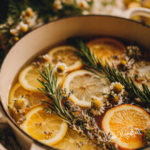
For a fragrant seasonal addition to your home, try my Yule simmer pot recipe.
Gift-Giving and Acts of Generosity
Gift-giving is part of many midwinter celebrations. For a Yule-inspired approach, consider handmade items, baked goods, useful winter supplies or small gifts connected to the recipient’s interests. Sharing food, helping a neighbour or making time for someone who may feel isolated during winter can also express the generosity associated with the season.
For more ideas, explore my guide to traditional Yule gifts.
Divination and Winter Reflection
The quiet of midwinter can offer space for tarot, oracle cards, runes or journaling. You could draw a card to explore a lesson from the past year, ask what deserves your attention in the coming months, or reflect on what you are ready to leave behind.
Keep the questions open-ended and use the practice as a way to explore your thoughts, values and hopes. If you enjoy working with seasonal symbolism, include a candle, evergreen sprig or crystal on your reading space.
A Simple Winter Solstice Ritual
This short ritual can be performed on the evening of the winter solstice or at another quiet point during your Yule celebration.
- Prepare your space. Choose a quiet area and gather a candle in a stable holder, a journal and a seasonal object such as a pine sprig or small stone.
- Mark the longest night. Light the candle carefully and spend a few moments noticing the stillness of the season.
- Reflect on the year. Write down one experience that taught you something, one thing you are grateful for and one burden you would like to set down.
- Welcome the returning light. Write a hope or guiding word for the season ahead. Keep it realistic and specific to your life.
- Close the ritual. Sit quietly for another moment, then extinguish the candle before leaving the area.
For additional ideas, including other ways to mark the solstice, visit my guide to winter solstice rituals.
Celebrating the Twelve Days of Yule
Some people extend their Yule celebration beyond the solstice, observing a series of days with seasonal activities, offerings, feasting or quiet reflection.
If you would like ideas for a longer celebration, my 12 Days of Yule guide explores the customs, themes and activities you can incorporate into your own observance.
Yule Symbols and Their Meanings
Yule symbolism draws on the winter landscape, evergreen plants, firelight and the gradual return of the sun. These symbols appear in contemporary Pagan celebrations, seasonal decorations and personal rituals.
The Sun and the Returning Light
The sun is one of the most recognisable symbols associated with the winter solstice. After the longest night of the year, daylight begins to increase, making the sun a symbol of renewal, hope and the turning of the seasonal cycle. Sun wheels, golden ornaments and yellow or gold candles can represent this theme on a Yule altar.
Evergreens: Pine, Fir and Cedar
Evergreen branches remain green through winter, making them fitting symbols of endurance and life during the coldest part of the year. Pine, fir and cedar can be used in wreaths, garlands and seasonal arrangements. Their fragrance also brings a familiar woodland quality to indoor celebrations.
Holly and Ivy
Holly’s glossy leaves and bright berries make it a familiar winter decoration. In today’s Pagan symbolism, holly is often associated with protection, resilience and the persistence of life through winter. Ivy, which remains green and can cling to walls and trees, is commonly linked with continuity and perseverance.
Holly also appears in the modern seasonal folklore of the Holly King and Oak King, figures associated with the changing light across the year. Learn more in my guide to the Holly King.
Mistletoe
Mistletoe is associated with winter customs, folklore and seasonal decoration. Its place in European traditions is often connected with older beliefs about the plant, but accounts of its historical and ritual use vary. In contemporary celebrations, it may represent peace, connection or the continuation of life during winter.
If you include mistletoe in your decorations, keep it away from pets and children. The plant and its berries can be toxic if eaten.
Candles and Fire
Candles and hearth fires bring warmth and light into the darkest part of the year. In modern Yule practice, they often symbolise the returning sun, hope and the warmth of community. Use candles in stable, heat-resistant holders, well away from greenery, fabric and other combustible decorations.
Animals of the Winter Season
Animals appear in winter folklore, seasonal stories and modern Yule imagery. Deer, ravens, owls and other creatures may carry different meanings depending on the culture or spiritual tradition. Some people incorporate animal symbolism into their decorations or reflect on the wildlife that remains active during winter.
Explore more seasonal folklore in my guide to Yule animals and their symbolism.
Snowflakes and Winter Landscapes
Snow, frost and bare branches are common visual symbols of winter. In personal seasonal practice, they can represent stillness, rest, change or the quiet period before new growth. Snowflakes and winter imagery are contemporary decorative choices, and their meaning is usually personal rather than tied to one specific historical Yule custom.
The Christmas Tree and Its Historical Origins
Evergreen plants have featured in winter customs across Europe for centuries, but the history of the decorated Christmas tree is more specific. The familiar indoor tree is documented in early modern Europe, particularly in German-speaking regions, by the sixteenth and seventeenth centuries. Its exact origins and the influences behind its development remain debated.
Older winter customs involving evergreen branches are sometimes described as the direct origin of the Christmas tree. The evidence does not establish a simple, uninterrupted line from an ancient Pagan Yule ritual to the modern decorated tree. Evergreen decorations, Christian celebrations and regional European customs all form part of the wider history of winter greenery.
Today, some Pagans decorate a Yule tree as part of their winter solstice observance. Ornaments representing the sun, stars, woodland animals, natural elements or personal spiritual symbols can make it part of a seasonal altar or home celebration. Others prefer a simple arrangement of branches, handmade decorations or a living potted tree.
For a contemporary Yule celebration, the tree can be a personal expression of the season without requiring a claim about its ancient origins. Choose decorations that reflect your own traditions and keep natural greenery and small ornaments safely away from pets and young children.
Yule Correspondences
Yule correspondences are symbolic associations used in contemporary witchcraft and Pagan practice. They can help you choose plants, colours, crystals and other objects for a seasonal altar, spell or ritual.
Yule Correspondence Table
| Category | Common Associations | Symbolic Themes |
|---|---|---|
| Season | Winter, midwinter, winter solstice | Stillness, endurance, seasonal change |
| Sun symbolism | Sun wheels, golden ornaments, sun imagery | Returning light, renewal, longer days |
| Colours | Green, red, gold, white, silver | Evergreen life, warmth, sunlight, frost and winter skies |
| Plants | Pine, fir, cedar, holly, ivy, juniper | Resilience, protection, continuity and winter greenery |
| Spices and resins | Cinnamon, clove, frankincense, myrrh | Warmth, fragrance, ceremony and seasonal festivity |
| Crystals | Garnet, clear quartz, citrine, labradorite, snowflake obsidian | Associations with vitality, clarity, sunlight, transformation and grounding |
| Elements | Fire, earth, air and water | Warmth, the winter landscape, cold winds and snow or rain |
| Ritual objects | Candles, bells, seasonal greenery, a journal, a decorated log | Light, celebration, reflection and connection with the season |
Gods and Goddesses Associated with Yule
Deities associated with Yule come from different mythologies and spiritual traditions. Some have connections to Norse midwinter stories, winter itself or the sun, while others appear in modern Pagan interpretations of the seasonal cycle. They should not all be treated as members of one historical Yule pantheon.
Odin
Odin is a major god in Norse mythology, associated with wisdom, poetry, magic, battle and the dead. He is also linked in later folklore and modern interpretations with the Wild Hunt, a spectral procession said to travel through the winter sky. Because Yule is connected with Norse midwinter traditions, Odin often appears in contemporary discussions of the season.
Freyja
Freyja is a prominent goddess in Norse mythology, associated with love, desire, fertility, magic and aspects of war and death. Some contemporary Pagans honour her during winter as part of a broader practice rooted in Norse mythology. Her associations with Yule depend on the individual tradition, as the surviving sources do not establish one universal Yule ritual dedicated to her.
The Cailleach
The Cailleach is a powerful figure in Scottish and Irish folklore, often associated with winter, wild landscapes and the shaping of the land. Stories about her differ by region. In some traditions, she is portrayed as a formidable old woman connected with storms, cold weather and the harshness of winter.
The Holly King and the Oak King
The Holly King and Oak King are familiar figures in modern Wiccan and Pagan seasonal mythology. They are often described as opposing or alternating rulers associated with the dark and light halves of the year. In some interpretations, the Holly King represents the waning light of winter, while the Oak King represents the growing light after the winter solstice.
Sun Deities
Sun deities from different cultures may also feature in contemporary winter solstice observances. Ra is an ancient Egyptian solar deity, Apollo has solar associations in some later Greek and Roman traditions, and Surya is a Hindu solar deity. Their histories and religious contexts are distinct, so they are best approached within their own traditions instead of being grouped together as ancient Yule gods.
Yule Crystals
Crystals are popular additions to Yule altars, seasonal decorations and winter solstice rituals. Different stones are associated with themes such as warmth, clarity, protection and renewal. These meanings come from modern metaphysical traditions and personal practice, rather than a single historical system of Yule correspondences.
Garnet
Garnet is associated with vitality, strength and perseverance. Its deep red colour suits the winter season and pairs well with the traditional red and green colours of Yule decorations.
Citrine
Citrine is commonly associated with optimism, abundance and solar energy. Its golden colour makes it a fitting choice for a Yule altar centred on the returning light and the gradual lengthening of the days.
Clear Quartz
Clear quartz is often used in for clarity, focus and amplification of symbolic intentions. It is a versatile choice for a seasonal altar, especially when paired with other stones or objects that represent your goals for the coming year.
Labradorite
Labradorite is valued for its shifting flashes of colour and is commonly associated with transformation, intuition and mystery. Its dark surface and iridescent sheen suit the reflective atmosphere of midwinter.
Snowflake Obsidian
Snowflake obsidian, with its pale markings against a dark background, is associated with grounding and reflection. Its winter-like appearance also makes it a natural decorative choice for a Yule altar.
Ruby
Ruby is associated with vitality, passion and courage. Its rich red colour complements Yule’s traditional palette and can represent warmth and determination during the colder months.
Yule Herbs and Plants
Evergreen plants, fragrant spices and traditional resins are frequently used in Yule celebrations. They can feature in wreaths, altar arrangements, incense blends, sachets and seasonal cooking. Some have a long history in European winter customs, while others are used today because of their scent, appearance or modern magical associations.
Pine and Fir
Pine and fir branches are popular for wreaths, garlands and altar decorations. Their evergreen foliage is commonly associated with endurance and the persistence of life through winter. Their fresh, resinous fragrance also brings a woodland scent into the home.
Cedar
Cedar is used in a variety of cultural and spiritual traditions, with meanings and practices that differ between communities. In seasonal witchcraft, it may be included for its evergreen foliage and distinctive scent.
Holly
Holly’s glossy leaves and red berries make it a familiar winter plant. In witchcraft, it is often associated with protection, resilience and the Holly King. Its evergreen leaves also make it a popular choice for wreaths and seasonal arrangements.
For a closer look at its folklore, symbolic meanings and magical associations, visit my guide to holly uses in witchcraft.
Ivy
Ivy remains green through winter and is often associated with persistence, continuity and connection. Its trailing stems work well in decorative arrangements, although care should be taken to keep the plant away from pets and children, as ivy can be toxic if eaten.
Juniper
Juniper has aromatic foliage and berries and appears in a range of regional folk traditions. Some people may associate it with cleansing or protection, while others use it simply for its fragrance and connection to evergreen landscapes.
Do not assume every juniper species or preparation is suitable for burning, ingestion or other direct use. Identify plants carefully and use only products intended for the purpose.
Cinnamon and Clove
Cinnamon and clove bring a warm, spicy fragrance to winter cooking and seasonal decorations. In magical correspondences, cinnamon is often associated with warmth, prosperity and energy, while clove is linked with protection and strength.
These spices can be incorporated into baked goods, potpourri or a seasonal simmer pot. For a fragrant addition to your celebration, try my Yule simmer pot recipe.
Frankincense and Myrrh
Frankincense and myrrh are aromatic resins with long histories of use in religious ceremonies, perfumery and trade. In contemporary spiritual practice, they may be used as incense during seasonal rituals or meditation. Their historical significance extends across several cultures and religious traditions, so their use is not exclusive to Yule.
If you burn incense, provide good ventilation and keep it away from flammable decorations, pets and children.
Bay Leaves
Bay leaves have a long history in Mediterranean cooking and symbolism. In witchcraft, they are sometimes associated with success, wisdom and wishes. A dried bay leaf can be placed on an altar or included in a written seasonal reflection. Avoid burning leaves indoors unless you can do so safely in a suitable fireproof vessel.
Mistletoe
Mistletoe appears in European winter folklore and is widely recognised as a seasonal decoration. If you use it at home, choose a secure display location well away from pets and children, as mistletoe can be toxic if ingested.
Choosing Plants for Your Yule Celebration
Fresh greenery, dried herbs and aromatic spices can all bring seasonal character to your home. Buy plants from a reliable source, identify them before use and check their safety around animals. Foraged greenery should be collected responsibly, with permission where required, and without damaging wild plants or local habitats.
You can also use artificial greenery, dried botanical decorations or photographs of winter plants if live foliage is impractical. The aim is to create a seasonal space that suits your home and your practice.
The Yule Log: Meaning and Traditions
The Yule log is one of the best-known symbols associated with midwinter celebrations. Historically, burning a large log was part of some European winter and Christmas customs, although the details varied by region and period. Today, the Yule log also appears in Pagan practice as a symbol of warmth, light and the turning of the seasonal cycle.
Some people burn a suitable log in a fireplace, while others create a decorative version for their altar or seasonal table. A decorated log can be a meaningful centrepiece even when there is no fireplace available.
How to Make a Decorative Yule Log for Your Altar
This simple version is designed for display, not burning. It can be placed on an altar, mantel or seasonal table throughout your Yule celebration.
You Will Need
- A dry, stable piece of wood with a flat base
- Evergreen sprigs, such as pine or fir
- Small pinecones or other natural decorations
- Ribbon, twine or raffia
- Battery-operated tea lights, if desired
- Optional seasonal ornaments or crystals
Instructions
- Choose your log. Select a piece of wood that rests securely on your display surface without rolling.
- Arrange the greenery. Place small evergreen sprigs and pinecones around the log. Keep the arrangement balanced so it will not tip over.
- Add seasonal details. Tie ribbon or twine around the log, or arrange a few decorative objects nearby. Choose colours and symbols that reflect your Yule traditions.
- Add optional lighting. Use battery-operated tea lights placed securely beside or around the log. Do not attach real candles to the wood or place open flames among dry greenery.
- Display it safely. Keep the arrangement away from heaters, fireplaces, curtains and other heat sources. Remove dried greenery if it becomes brittle.
Planning to burn a real Yule log? Use only untreated, appropriately seasoned firewood in a fireplace or wood-burning appliance designed for it. Never burn a decorated log containing ribbon, glue, paint, glitter or attached greenery. Do not burn a log with candles fixed to it. Follow your fireplace manufacturer’s instructions and local fire-safety guidance.
Yule Colours and Their Meanings
Colour is an easy way to bring seasonal symbolism into Yule decorations, altar arrangements and rituals. The colours commonly used today reflect winter greenery, candlelight, the sun and the contrast between darkness and returning daylight.
Green
Green is associated with evergreen plants and the persistence of life through winter. Pine, fir, holly and ivy make natural additions to a green Yule display.
Red
Red brings warmth and richness to seasonal decorations. It is often paired with green in wreaths, ribbons, candles and other familiar winter arrangements. In magical symbolism, red may also represent vitality, courage or passion.
Gold
Gold is commonly associated with sunlight, warmth and abundance. It suits a Yule altar focused on the returning sun and can be incorporated through ornaments, candle holders, fabric or sun-shaped decorations.
White
White evokes snow, frost and winter landscapes. It may also be associated with clarity, peace or a fresh beginning.
Silver
Silver suggests moonlight, frost and the cold light of winter skies. It pairs well with white and blue decorations or can add a reflective accent to a seasonal altar.
Choose a palette that reflects the atmosphere you want to create, whether that means traditional red and green, woodland neutrals or cool winter shades.
How to Decorate a Yule Altar
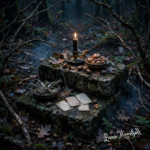
A Yule altar can be a small shelf, a tabletop arrangement or a dedicated space for seasonal practice. Decorate it with objects that represent the winter solstice, your spiritual beliefs or the parts of the season that matter most to you.
Ideas for Your Yule Altar
- A candle or LED light: Represents the returning sun and the gradual increase in daylight.
- Evergreen branches: Pine, fir or cedar can bring winter greenery to your altar.
- Seasonal crystals: Choose stones such as garnet, citrine, clear quartz or labradorite for their modern symbolic associations.
- Natural objects: Pinecones, stones, acorns or fallen branches can reflect the winter landscape.
- Sun symbols: A sun ornament, wheel motif or golden object can represent the returning light.
- Seasonal colours: Use red, green, gold, white or silver through cloth, ribbon or decorative objects.
- A journal or divination deck: Keep a notebook, tarot deck or oracle cards nearby for seasonal reflection.
- A meaningful image or figure: Include a deity image or other spiritual object if it belongs to your personal practice.
A few carefully chosen objects can create a meaningful seasonal display, and your altar can be adapted as the season progresses.
Keep open flames in stable, heat-resistant holders and well away from dry foliage, fabric and other combustible materials. Check the safety of any plants you bring indoors, particularly if pets or young children can reach the altar.
If you want more detailed decorating inspiration, look for my dedicated guide to Yule altar ideas. You can also explore my guide to winter solstice rituals for ways to incorporate your altar into a seasonal observance.
Traditional Yule Foods and Recipes
Food is an important part of many midwinter celebrations. Seasonal meals bring people together during the colder months, and Yule feasts today may include roasted vegetables, hearty breads, spiced drinks, festive cakes and homemade treats.
There is no single menu followed by every Pagan tradition. Some people prepare a large family meal, while others prefer a simple supper, a plate of baked goods or a warm drink enjoyed beside the fire. Local ingredients and family recipes can be just as meaningful as dishes associated with European winter folklore.
Roasted Vegetables and Winter Produce
Root vegetables such as carrots, parsnips, potatoes and turnips make satisfying additions to a winter feast. Squash, onions and other seasonal produce can be roasted with herbs, olive oil and warming spices. Apples, nuts and dried fruit also work well in winter meals and desserts.
Wassail and Spiced Winter Drinks
Wassail is associated with English winter customs and has appeared in different forms over time. Recipes vary, but many modern versions use apple cider or juice, warming spices and citrus. Some versions contain alcohol, while others are alcohol-free.
A warm spiced drink can be served during a Yule gathering or enjoyed as part of a quiet evening at home. The recipe below uses apple juice, making it suitable for a non-alcoholic celebration.
Gingerbread and Festive Baking
Ginger, cinnamon, cloves and nutmeg are familiar flavours in winter baking. Gingerbread cookies are easy to shape into stars, moons, trees or other seasonal designs, making them a fun addition to a Yule feast or a homemade gift.
Yule Log Cake (Bûche de Noël)
The bûche de Noël is a rolled cake decorated to resemble a log. It is a French Christmas dessert that has become a popular choice for modern Yule tables because of its woodland appearance and connection to the broader symbolism of the winter log.
Ingredients
For the cake:
- 4 large eggs, at room temperature
- 100 g (½ cup) granulated sugar
- 1 teaspoon vanilla extract
- 75 g (¾ cup) all-purpose flour
- 25 g (¼ cup) unsweetened cocoa powder
- 1 teaspoon baking powder
- ¼ teaspoon salt
For the chocolate filling and frosting:
- 240 ml (1 cup) whipping cream, chilled
- 2 tablespoons icing sugar
- 1 teaspoon vanilla extract
- 150 g (5 oz) semi-sweet chocolate, finely chopped
- 120 ml (½ cup) whipping cream, for the chocolate ganache
Instructions
- Prepare the oven. Heat the oven to 175°C (350°F). Line a 25 × 38 cm (10 × 15 inch) jelly-roll pan with parchment paper.
- Make the batter. Beat the eggs and granulated sugar until thick and pale, about 5 minutes. Mix in the vanilla. In a separate bowl, whisk together the flour, cocoa, baking powder and salt. Fold the dry ingredients gently into the egg mixture.
- Bake the cake. Spread the batter evenly in the prepared pan. Bake for approximately 10–13 minutes, until the cake springs back lightly when touched.
- Roll while warm. Turn the cake onto a clean kitchen towel lightly dusted with cocoa powder. Carefully remove the parchment. Starting at a short end, roll the cake and towel together. Leave it rolled while it cools.
- Prepare the filling. Whip 240 ml of chilled cream with the icing sugar and vanilla until it forms firm peaks.
- Fill the cake. Gently unroll the cooled cake, spread the whipped cream evenly over it and roll it back up without the towel. Place the seam underneath.
- Make the ganache. Heat the remaining 120 ml of cream until steaming but not boiling. Pour it over the chopped chocolate, leave for 2 minutes, then stir until smooth. Allow it to cool until thick enough to spread.
- Decorate. Spread the ganache over the rolled cake. Use a fork to create bark-like lines. Chill until ready to serve, and keep refrigerated because of the cream filling.
For a seasonal finish, decorate the serving platter with edible decorations such as sugared cranberries or rosemary sprigs placed around the cake. Remove any non-edible decorations before serving.
Wassail: A Spiced Apple Drink
This alcohol-free wassail is a warming drink for a winter gathering. The spices and citrus add fragrance while apple juice provides a naturally sweet base.
Ingredients
- 1.9 litres (8 cups) apple juice
- 500 ml (2 cups) orange juice
- 2 cinnamon sticks
- 4 whole cloves
- 2 star anise, optional
- 1 orange, sliced
- 1–2 tablespoons lemon juice, to taste
Instructions
- Combine the apple juice and orange juice in a large saucepan or slow cooker.
- Add the cinnamon sticks, cloves, optional star anise and orange slices.
- Warm gently for 30–45 minutes. Avoid allowing the mixture to boil vigorously.
- Stir in lemon juice to taste. Strain out the whole spices before serving, if desired.
- Serve warm in heat-safe mugs. Refrigerate leftovers promptly.
Yule Gingerbread Cookies
These spiced cookies are suitable for a Yule gathering, seasonal altar offering where appropriate to your practice, or a homemade gift. Cut them into stars, moons, trees or other winter shapes.
Ingredients
- 350 g (2¾ cups) all-purpose flour
- 1 teaspoon baking soda
- 2 teaspoons ground ginger
- 1 teaspoon ground cinnamon
- ¼ teaspoon ground cloves
- ¼ teaspoon salt
- 115 g (½ cup) unsalted butter, softened
- 100 g (½ cup packed) brown sugar
- 1 large egg
- 120 ml (½ cup) molasses
- 1 teaspoon vanilla extract
Instructions
- Mix the dry ingredients. In a bowl, whisk together the flour, baking soda, ginger, cinnamon, cloves and salt.
- Cream the butter and sugar. Beat the softened butter and brown sugar until smooth. Add the egg, molasses and vanilla, mixing until combined.
- Make the dough. Gradually mix the dry ingredients into the wet ingredients until a soft dough forms. Divide it into two portions, flatten each into a disc, wrap and refrigerate for at least 1 hour.
- Roll and cut. Heat the oven to 175°C (350°F). On a lightly floured surface, roll the dough to about 6 mm (¼ inch) thick. Cut into shapes and place on parchment-lined baking sheets.
- Bake. Bake for 8–11 minutes, depending on the size of the cookies. The edges should be set. Allow them to cool on the baking sheet for a few minutes before transferring to a rack.
- Decorate. Once completely cool, add icing or other edible decorations if desired. Store in an airtight container.
More Seasonal Food and Drink Ideas
For another way to bring winter aromas into your celebration, try my Yule simmer pot recipe. It pairs well with an evening of seasonal baking, decorating or quiet reflection.
Yule Guided Meditation and Videos
Yule can be a busy time of year, but it can also offer an opportunity to slow down and connect with the changing season. A guided meditation can help you settle your thoughts, reflect on the year and welcome the gradual return of daylight.
You could meditate beside your Yule altar, sit quietly with a warm drink or listen to a seasonal meditation before beginning a solstice ritual. Keep the practice comfortable and choose a setting where you can relax without interruption.
For more seasonal inspiration, explore my Yule videos on YouTube. They cover the folklore, symbolism and spiritual practices associated with the winter season.
More Yule Guides to Explore
Looking for more ways to celebrate the winter solstice? Explore these guides for additional ideas, seasonal folklore, rituals and practical inspiration.
- The 12 Days of Yule – Explore ideas for an extended Yule celebration, including seasonal customs and activities.
- Winter Solstice Rituals – Find ways to mark the longest night and welcome the returning light.
- The Holly King – Discover the folklore and modern Pagan symbolism associated with this seasonal figure.
- Yule Animals and Their Symbolism – Explore the animals and folklore connected with winter celebrations.
- Traditional Yule Gifts – Find seasonal gift ideas inspired by midwinter customs.
- Yule Simmer Pot Recipe – Bring warming seasonal fragrances into your home.
- Holly Uses in Witchcraft – Learn more about holly’s folklore and contemporary magical associations.
- The Wiccan Wheel of the Year – Explore Yule’s place within the wider seasonal cycle.
Celebrate Yule 2026 in Your Own Way
Yule offers an opportunity to honour the winter solstice, explore seasonal folklore and create traditions that feel meaningful to you. You may choose to light a candle, decorate with evergreens, prepare a winter feast, work with seasonal symbols or spend a quiet evening reflecting on the year.
As the days begin to lengthen after the solstice, the returning light provides a natural theme for the season. Use the ideas in this guide to shape a celebration that reflects your beliefs, interests and connection with the turning of the year.
Wishing you a peaceful and meaningful Yule 2026.