
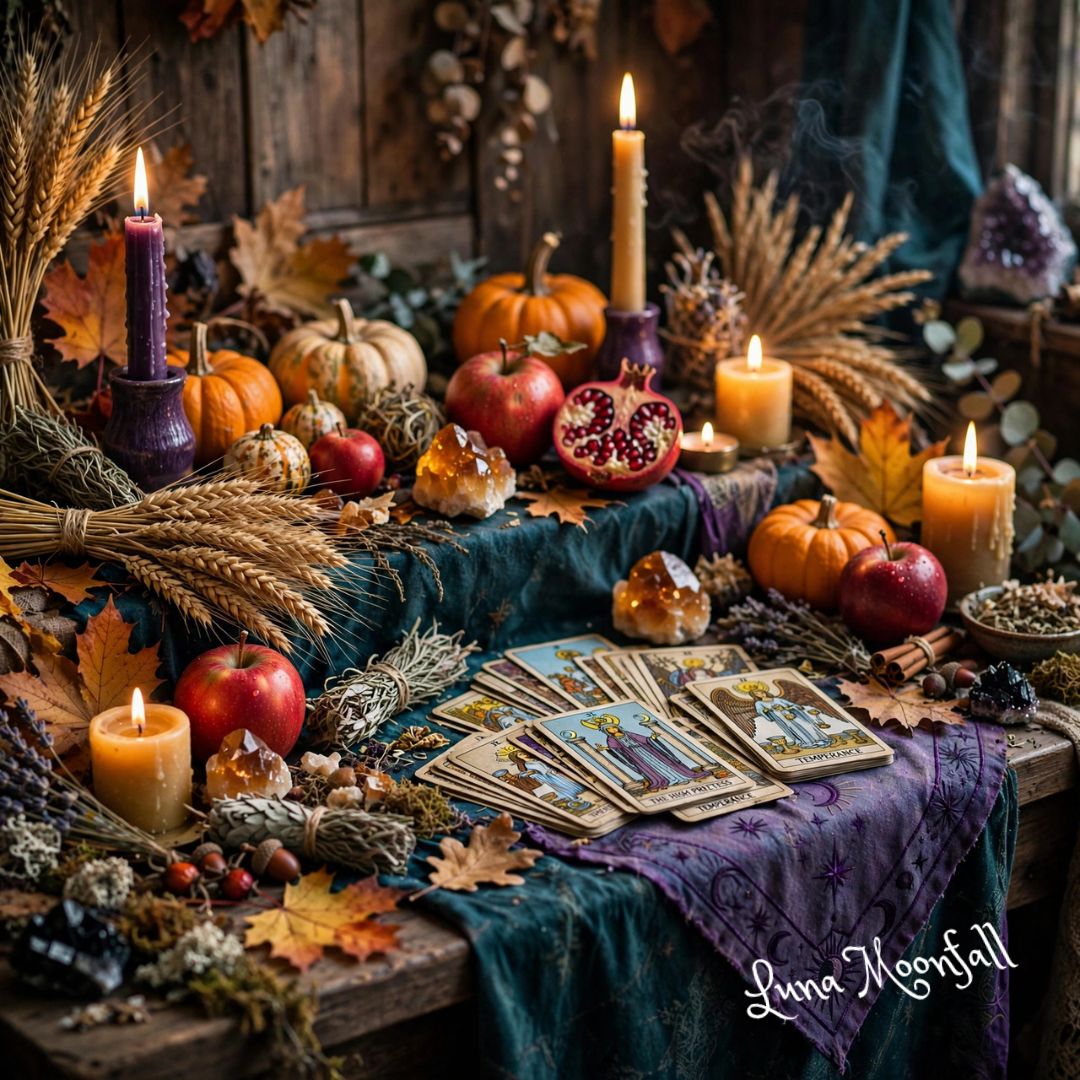
Mabon 2026 is a meaningful time to celebrate the Autumn Equinox starting on Tuesday, September 22, 2026, honour the harvest season, and reflect on balance, gratitude, and the changing cycles of nature. As summer slowly gives way to the crisp beauty of autumn, many people use this seasonal festival as an opportunity to reconnect with nature and appreciate the abundance around them.
Mabon is one of the eight sabbats of the modern Wheel of the Year, a seasonal cycle followed by many Pagan, Wiccan, and nature-based spiritual communities. Celebrated around the time of the autumn equinox, Mabon marks the second harvest and represents a moment of balance, when day and night are nearly equal before the darker months of the year begin.
The meaning of Mabon is deeply connected to gratitude, reflection, and preparation. It is a time to appreciate the gifts of the Earth, celebrate personal growth, release what no longer serves us, and find harmony between light and darkness. Mabon offers an opportunity to reconnect with yourself and the natural world.
During this autumn festival, many people decorate their homes and altars with seasonal symbols such as apples, pumpkins, colourful leaves, acorns, grains, candles, crystals, and dried herbs. Taking a walk through nature, gathering fallen leaves, enjoying seasonal foods, or creating a gratitude practice are easy ways to honour the spirit of Mabon.
In this guide, we’ll explore when Mabon is celebrated in 2026, the meaning behind this autumn festival, Mabon traditions, correspondences, rituals, altar ideas, foods, and ways to celebrate the season with intention.
Mabon Celebration Video
Take a moment to slow down and welcome the energy of the Autumn Equinox with our Mabon Celebration. In this Mabon video, we take a closer look at this autumn sabbat and some of the ways you can celebrate it.
Mabon Guided Meditation Video
This guided Mabon meditation takes you on a quiet journey through an autumn forest, where you’ll have time to reflect on what has nourished you, acknowledge what you’ve grown through, release what you’re ready to leave behind, and consider what you want to carry into the season ahead.
✨ Celebrate Mabon with Intention
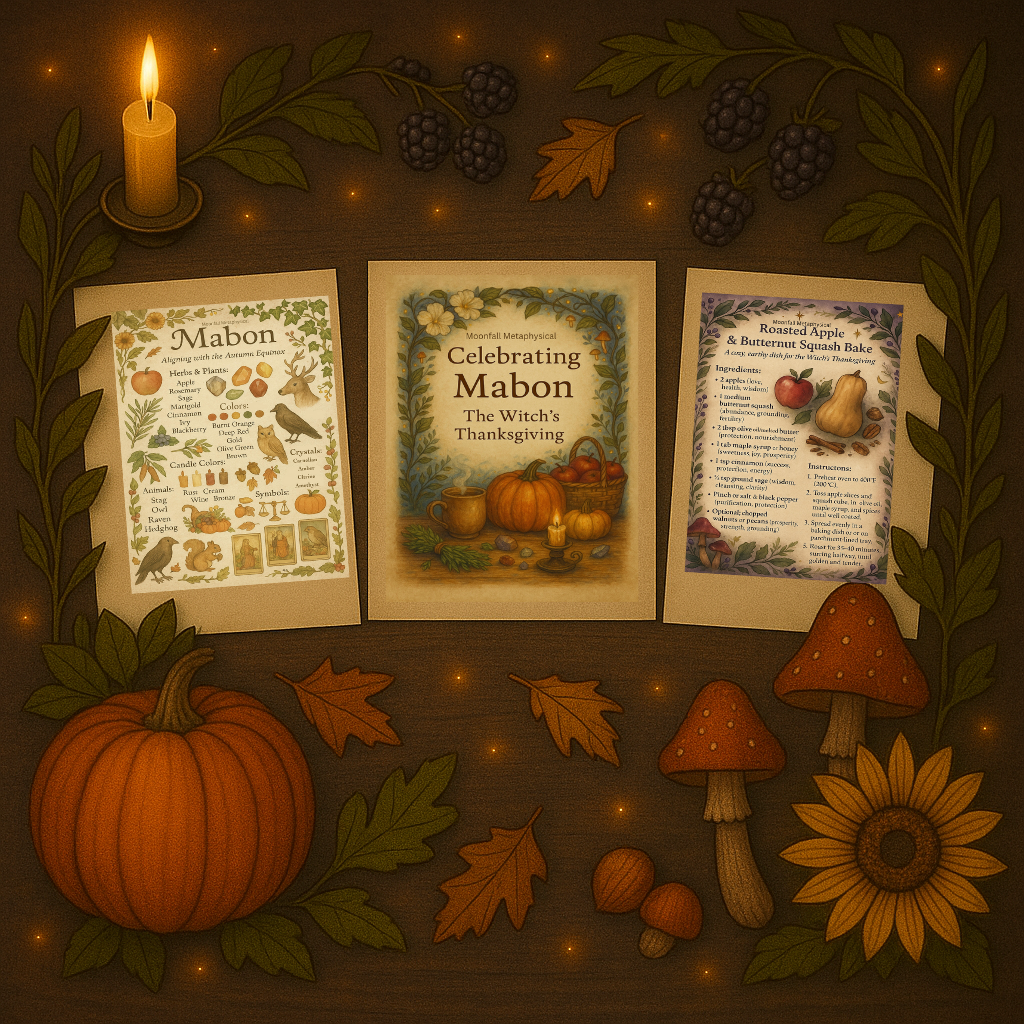
Want to create a more meaningful Mabon celebration? Our Mabon Sabbat Printable Guide was designed to help you honour the Mabon Autumn Equinox with simple rituals for Mabon, seasonal correspondences, and magical inspiration.
Inside this 18-page guide, you’ll find:
- 🍂 Mabon meanings and traditions
- 🕯 Ritual ideas for gratitude, balance, and reflection
- 🌙 Mabon altar inspiration
- 🔮 Seasonal correspondences
- 🌿 Herbs, crystals, colours, and symbols associated with the harvest season
- ✍️ Journaling prompts to help you reflect on your personal harvest

👉 Download our Mabon Sabbat Printable Guide
This post may contain affiliate links. If you choose to make a purchase through these links, I may earn a small commission at no additional cost to you. These commissions help support Moonfall Metaphysical and allow me to continue creating free content, guides, and resources for the community.
I only recommend products, books, and tools that align with the spirit of this content and that I believe may genuinely be interesting, useful, or inspiring to readers.
Mabon and the Autumn Equinox
Mabon is celebrated at the Autumn Equinox, one of the two points in the year when the Sun crosses the celestial equator and the Northern and Southern Hemispheres receive nearly equal illumination. In the Northern Hemisphere, the September equinox marks the beginning of astronomical autumn. From this point forward, the days gradually become shorter and the nights longer.
The equinox itself is ancient. People have watched the changing position of the Sun and the turning of the seasons for thousands of years, and autumn has long been associated with gathering crops, preparing for winter, and giving thanks for what the land has provided. Harvest traditions developed in many different cultures, each with their own customs, festivals, and seasonal calendars.
The name Mabon, however, is much more recent.
There is no strong historical evidence for an ancient Celtic festival called Mabon that was celebrated at the Autumn Equinox. The modern Pagan use of Mabon as the name for this point in the Wheel of the Year developed during the twentieth century. Historian Ronald Hutton has examined the development of modern Pagan festivals and notes that the eight-part seasonal cycle draws together older seasonal traditions within a relatively modern framework.
This distinction is worth knowing because it does not make Mabon any less meaningful. The Autumn Equinox is a genuine astronomical turning point, harvest traditions have deep historical roots, and modern Pagans have brought these elements together into a seasonal celebration of their own.
For many witches and Pagans today, Mabon represents balance, gratitude, abundance, harvest, and the transition from the lighter half of the year toward the dark. It is a time to appreciate what has been gathered, recognize what has come to fruition, and begin preparing for the quieter months ahead.
The name itself comes from Mabon ap Modron, a figure from medieval Welsh mythology. His story is explored more fully below, but his connection to the Autumn Equinox is a modern Pagan association rather than evidence of an ancient Welsh equinox festival.
Understanding Mabon this way gives us two histories to appreciate: the much older human relationship with the changing seasons and harvest, and the modern Pagan tradition that gave this particular point on the Wheel of the Year the name Mabon.
When Is Mabon 2026? Mabon Dates & the Autumn Equinox
Tuesday, September 22, 2026
Mabon is celebrated around the time of the Autumn Equinox, which occurs when the Sun crosses the celestial equator and the hours of daylight and darkness are nearly equal. This moment of balance marks the transition from the warmth of summer into the darker, quieter months of autumn.
In the Northern Hemisphere, the typical Mabon date 2026 is typically celebrated between September 20th and September 23rd, depending on the exact Mabon 2026 dates of the autumn equinox each year. Many people celebrate Mabon on the equinox itself, while others honour the season through the surrounding days or even throughout the entire autumn harvest period.
For those who follow the Wheel of the Year, Mabon represents the second harvest festival, following Lughnasadh and leading into Samhain. It is a time to celebrate the gifts of the Earth, honour the changing seasons, and embrace the balance between light and darkness.
How Do You Pronounce Mabon?
The pronunciation of “Mabon” is typically as follows: Pronunciation can vary slightly depending on tradition and personal preference, but “MAY-bon” is one of the most commonly used pronunciations today
How to Celebrate Mabon 2026: Rituals, Traditions & Autumn Equinox Ideas
There are many ways of celebrating Mabon, if you decide to follow the Wheel of the Year, practice seasonal spirituality, or just want to reconnect with the rhythms of nature. At its heart, Mabon is a celebration of gratitude, balance, reflection, and the abundance of the harvest season.
Your Mabon celebration can be as simple or elaborate as you choose. Some people create rituals and altars, while others honour the season through cooking, spending time outdoors, journaling, or gathering with loved ones. The most meaningful celebrations are those that help you slow down and appreciate the blessings around you.
Create a Mabon Altar
Common Mabon altar items include:
- 🍎 Apples, pumpkins, gourds, and seasonal fruits
- 🍂 Fallen leaves, acorns, pinecones, and natural treasures
- 🕯 Candles in autumn colours such as orange, red, brown, gold, and deep purple
- 💎 Crystals associated with abundance, grounding, and reflection
- 🌿 Dried herbs, flowers, and seasonal plants
Your altar does not need to be elaborate… even a small arrangement on a shelf, table, or windowsill can become a meaningful reminder to honour the changing season.
Host a Harvest Feast
Food is an important part of many Mabon celebrations because it represents the abundance and nourishment of the harvest. Gather with friends and family or prepare a special meal to celebrate the gifts of the season.
Popular Mabon foods include:
- Apples and apple-based desserts
- Pumpkin and squash dishes
- Fresh bread and grains
- Warm teas and autumn drinks
- Seasonal herbs
- Nuts and seeds
Before eating, take a moment to express gratitude for the Earth, the people who helped bring the food to your table, and the abundance present in your life.
Spend Time in Nature
Mabon is a wonderful time to reconnect with the natural world. Take a walk through a forest, park, or your own garden and observe the changes taking place around you.
You might:
- Collect fallen leaves or acorns for seasonal decorations
- Notice the changing colours of the trees
- Harvest herbs or garden produce
- Sit quietly and reflect on the turning of the seasons
Nature walks during Mabon can become a simple but powerful way to honour the balance between growth, change, and rest.
Practice Gratitude and Reflection
Mabon encourages us to pause and reflect on what we have cultivated throughout the year. Consider creating a gratitude journal, writing down your accomplishments, or reflecting on the lessons you have learned.
You might ask yourself:
- What blessings have entered my life this year?
- What personal growth am I proud of?
- What would I like to release before winter arrives?
- What intentions do I want to carry forward?
Try a Mabon Ritual or Divination Practice
Many people use Mabon as a time for spiritual reflection through rituals, meditation, tarot, oracle cards, or other forms of divination.
A simple Mabon ritual might include lighting a candle, setting an intention, offering gratitude, and reflecting on the balance between light and darkness.
Tarot and oracle readings can also be a meaningful way to explore themes of transition, personal growth, and the season ahead.
Get Creative with Autumn Crafts
Celebrate the beauty of the harvest season by making something with your hands. Crafting is a wonderful way to slow down, express gratitude, and decorate your home with meaningful seasonal touches.
Popular Mabon craft ideas include:
- Autumn wreaths made with colourful leaves, pinecones, and dried flowers
- Handmade candles in harvest colours
- Pressed leaf art
- Corn husk dolls
- Painted pumpkins
- Seasonal garlands for your altar or home
- Gratitude jars filled with written blessings
These projects can be enjoyed alone or shared with family and friends as part of your Mabon celebration.
Gather Around a Bonfire
If local regulations and weather permit, an evening bonfire is a beautiful way to honour the changing season. Fire symbolizes transformation, warmth, and the light that continues to guide us as the nights grow longer.
Spend time around the fire sharing stories, expressing gratitude, enjoying warm drinks, or quietly reflecting on the lessons and blessings of the past year.
Visit an Orchard, Farm, or Harvest Festival
One of the simplest ways to celebrate Mabon is by supporting local farms and enjoying the abundance of the harvest season.
Visit a nearby apple orchard, pumpkin patch, farmers’ market, or harvest festival. Pick fresh apples, gather seasonal produce, enjoy homemade treats, and appreciate the connection between the land and the food that nourishes us.
Share with Nature
Mabon reminds us that we are part of the natural world. Consider giving back by filling bird feeders, planting native flowers, leaving water out for wildlife during dry weather, or just spending time appreciating the creatures that share your local environment.
Acts of stewardship and kindness toward nature are meaningful ways to honour the spirit of the harvest.
Decorate Your Home for the Season
Bring the energy of Mabon indoors by decorating your living space with the colours and symbols of autumn.
Display pumpkins, apples, baskets of seasonal produce, candles, dried herbs, colourful leaves, acorns, and fresh flowers to create a warm and welcoming atmosphere that celebrates the abundance of the season.
Mabon Correspondences
Mabon correspondences are the colours, crystals, herbs, flowers, symbols, foods, and deities traditionally associated with the Autumn Equinox. They help create meaningful rituals, decorate seasonal altars, and deepen your connection to the energy of the harvest season.
While correspondences can vary between Pagan traditions and personal practices, they all reflect the central themes of Mabon: gratitude, balance, abundance, reflection, and the changing seasons.
Use the following correspondences as inspiration for your Mabon celebrations, altar, spellwork, meditation, journaling, or seasonal decorating.
Mabon Symbols
The symbols of Mabon celebrate the abundance of the harvest while reminding us that the balance between light and darkness is shifting. These seasonal items are commonly used in rituals, altar decorations, and home décor during the Autumn Equinox.
Some of the most popular Mabon symbols include:
☀️🌙 The Sun and Moon: Together they symbolize harmony, balance, and the ever-turning Wheel of the Year.
🌽 Cornucopia (Horn of Plenty): Represents abundance, prosperity, and the blessings of the harvest.
🍂 Autumn Leaves: Symbolize change, transformation, and the beauty of nature’s cycles.
🍎 Apples: A traditional symbol of wisdom, abundance, and the harvest season.
🍇 Grapes: Represent celebration, fertility, and the fruits of your labour.
🌾 Wheat and Barley: Honour the grain harvest and the rewards of patience and hard work.
❤️ Pomegranates: Symbolize abundance, transformation, and the cycle of life and death.
🌻 Sunflowers: Reflect the final warmth of the Sun before winter and represent joy, vitality, and gratitude.
⚖️ Scales: A reminder of the balance between day and night during the Autumn Equinox.
🧺 Harvest Baskets: Symbolize gathering the fruits of both physical and spiritual labour.
🕯 Autumn-Coloured Candles: Represent warmth, gratitude, protection, and the transition into the darker half of the year.
Mabon Goddesses
Many people choose to honour goddesses during Mabon whose stories reflect the themes of harvest, abundance, transformation, gratitude, and the changing seasons. While there are no universal deities associated with Mabon, the following goddesses are commonly honoured in various Pagan traditions.
Demeter
In Greek mythology, Demeter is the goddess of agriculture, grain, and the harvest. She represents the abundance of the Earth and the deep connection between humanity and the changing seasons. Demeter is often honoured during Mabon as a symbol of gratitude for the year’s harvest and the nourishment the Earth provides.
Ceres
The Roman counterpart to Demeter, Ceres is the goddess of agriculture, fertility, and cultivated crops. She embodies prosperity, abundance, and the importance of caring for the land that sustains us.
Persephone
Persephone’s annual journey to the Underworld is one of the most well-known myths connected to the changing seasons. As autumn arrives, her descent symbolizes nature’s gradual movement toward winter, making her a powerful representation of transformation, introspection, and the cycles of life, death, and rebirth.
Modron
In Welsh mythology, Modron is a mother goddess associated with wisdom, protection, and nurturing. Although not traditionally linked exclusively to Mabon, many modern Pagan practitioners honour her during the Autumn Equinox because of her connection to the land, motherhood, and seasonal change.
Pomona
The Roman goddess Pomona watches over orchards, fruit trees, and abundance. With apples playing an important role in many Mabon celebrations, Pomona is often honoured as a guardian of the autumn harvest and the generosity of nature.
Mabon Gods & Deities
Just as many people honour goddesses during Mabon, some also choose to work with gods whose stories reflect the themes of harvest, abundance, balance, wisdom, and the changing seasons. Others celebrate Mabon as a seasonal festival without incorporating deities at all. Your practice should always reflect your own spiritual path and traditions.
Mabon ap Modron
Mabon ap Modron is a figure from Welsh mythology whose name was adopted for the modern Pagan celebration of the Autumn Equinox. Although he was not originally a harvest god, he is associated with youth, renewal, and the cyclical nature of life. Today, many practitioners view Mabon ap Modron as a symbolic reminder of the seasonal turning of the Wheel of the Year and the balance celebrated during the Autumn Equinox.
Lugh
Although Lugh is most closely associated with Lughnasadh, the first harvest festival, many practitioners continue to honour him during Mabon as a symbol of skill, craftsmanship, perseverance, and the rewards of hard work. His connection to the harvest reminds us to celebrate not only the food gathered from the land but also the personal growth, knowledge, and accomplishments we have cultivated throughout the year.
The Green Man
While not a deity in every tradition, the Green Man is a beloved symbol of nature’s cycles, renewal, and the wild spirit of the Earth. During Mabon, he represents the changing landscape as the vibrant energy of summer gradually gives way to autumn’s quieter, reflective season. Many nature-based spiritual practitioners include his image on seasonal altars or use him as a reminder of the Earth’s ever-turning cycles.
Mabon Rituals for the Autumn Equinox
Mabon is a wonderful time to slow down, reflect on the changing seasons, and celebrate the abundance in your life. Mabon 2026 rituals can help you connect with the energy of the Autumn Equinox and welcome the darker half of the year with gratitude and intention.
The following simple rituals can be adapted to suit your own spiritual path, or just enjoy celebrating the changing seasons.
Gratitude Candle Ritual
This simple ritual helps you focus on the blessings you have gathered throughout the year.
You’ll need:
- An orange, gold, or brown candle
- A small journal or piece of paper
- A pen
Light your candle and take a few slow breaths to centre yourself. Write down everything you feel grateful for, from major life milestones to small everyday moments that have brought you joy.
When you’ve finished, read your list aloud and thank the Earth, the Universe, your deities, or whatever spiritual practice feels meaningful to you. Allow the candle to burn safely for a while as you reflect on the abundance surrounding you.
Balance Meditation
The Autumn Equinox reminds us that light and darkness exist in perfect harmony, if only for a brief moment.
Find a quiet place to sit comfortably. Close your eyes and imagine yourself standing between the warmth of summer and the stillness of autumn. As you breathe slowly, reflect on the areas of your life that feel balanced and those that may need more attention.
When you finish your meditation, consider writing one small intention that will help restore balance during the months ahead.
Harvest Feast Blessing
Before enjoying your Mabon meal, pause to honour the journey that brought the food to your table.
Take a moment to give thanks for the farmers, gardeners, pollinators, wildlife, rain, sunshine, and rich soil that made the harvest possible. Invite everyone sharing the meal to express one thing they are grateful for before eating together.
Nature Gratitude Walk
Spend time outdoors without distractions and notice the subtle changes that mark the arrival of autumn.
Collect naturally fallen leaves, acorns, pinecones, or feathers if local regulations allow, taking only what nature has already offered. As you walk, quietly reflect on the lessons, blessings, and personal growth you’ve experienced since spring.
When you return home, place your gathered treasures on your Mabon altar or in a special seasonal display as a reminder of the beauty and abundance of the harvest.
Release & Renewal Ritual
As Mabon marks the transition into the darker half of the year, it is also an ideal time to let go of what no longer serves you.
Write down habits, worries, fears, or situations you are ready to release. Read them one final time, thank them for the lessons they have taught you, and safely burn or tear up the paper as a symbolic act of letting go.
Finish the ritual by writing three intentions you wish to carry with you into autumn and the journey toward Samhain.
Mabon Colors & Their Meanings
The colours associated with Mabon reflect the beauty of the autumn landscape and the themes of the harvest season. From the changing leaves to the final warmth of the Sun before winter, these colours represent abundance, transformation, gratitude, and the balance between light and darkness.
These Mabon colours can be incorporated into your altar decorations, candles, clothing, crafts, seasonal décor, or ritual spaces.
Orange
Orange represents the warmth of autumn, creativity, and the abundance of the harvest. It is often associated with pumpkins, falling leaves, and the final golden glow of the changing season. Orange candles can be used to bring feelings of joy, inspiration, and gratitude into Mabon celebrations.
Red
Red symbolizes passion, strength, vitality, and transformation. The deep reds of autumn leaves remind us that change is a natural and beautiful part of the seasonal cycle. Red can be used during Mabon rituals focused on courage, energy, and embracing personal growth.
Yellow & Gold
Yellow and gold represent sunlight, prosperity, and the final harvest. These colours honour the warmth of the Sun and the gifts gathered throughout the year. They are often used in Mabon decorations to symbolize gratitude, happiness, and abundance.
Brown
Brown represents the Earth, grounding, stability, and connection to nature. It reflects the soil that nourishes the harvest and reminds us to stay rooted as the seasons shift.
Deep Purple
Deep purple is associated with mystery, spirituality, intuition, and transformation. It reflects the more introspective side of autumn and can be used during meditation, divination, and personal reflection.
Green
Although autumn is often associated with fiery colours, green can also be meaningful during Mabon. It represents the Earth, growth, renewal, and the continuing cycle of nature.
Black
Black represents the quieting energy of the darker half of the year, protection, and the mysteries of transformation. It can be used to honour the balance between light and shadow during the Autumn Equinox.

Mabon Crystals & Their Meanings
Crystals can be a meaningful addition to Mabon celebrations. Many crystals associated with Mabon reflect the themes of the Autumn Equinox: gratitude, abundance, grounding, transformation, protection, and connection with the Earth.
Choose crystals that personally resonate with you and your intentions for the season.
Citrine
Citrine is often associated with abundance, prosperity, joy, and positive energy. Its warm golden colour reflects the brightness of the harvest season and makes it a beautiful crystal for gratitude practices, manifestation work, and celebrating the blessings in your life.
Carnelian
Carnelian is connected with creativity, motivation, courage, and vitality. Its fiery orange tones reflect the energy of autumn and can be used during Mabon rituals focused on confidence, inspiration, and embracing change.
Amber
Amber carries a warm, solar energy and is often associated with protection, wisdom, and connection to ancestral traditions. Its golden glow makes it a fitting addition to Mabon altars celebrating the final warmth of the Sun before winter.
Smoky Quartz
Smoky Quartz is a grounding stone often used for releasing stagnant energy and encouraging emotional balance. It can be a helpful companion during Mabon reflection rituals when focusing on letting go and preparing for a new season.
Moss Agate
Moss Agate is connected with nature, growth, fertility, and the cycles of the Earth. It is especially meaningful for those who garden, work with herbs, or wish to strengthen their connection with the natural world during the harvest season.
Yellow Jasper
Yellow Jasper is associated with confidence, stability, and optimism. Its sunny colour reflects the warmth of autumn and can be used to support feelings of gratitude, strength, and personal empowerment.
Lapis Lazuli
Lapis Lazuli is often associated with wisdom, intuition, truth, and spiritual insight. It can be used during Mabon meditation, journaling, or divination practices to encourage reflection and inner awareness.
Clear Quartz
Clear Quartz is a versatile crystal often used for intention-setting and amplifying personal energy. It can be paired with other Mabon crystals or placed on an altar as a symbol of clarity and focus.
How to Use Mabon Crystals
There are many simple ways to incorporate crystals into your Autumn Equinox celebrations:
- Display crystals with autumn décor to create a beautiful seasonal space.
- Place crystals on your Mabon altar alongside seasonal items like leaves, apples, candles, and herbs.
- Hold a crystal during meditation or journaling while reflecting on gratitude and personal growth.
- Carry a chosen crystal with you during a nature walk as a reminder of your seasonal intentions.
- Use crystals as part of a gratitude ritual or intention-setting practice.

Mabon Herbs & Their Meanings
Herbs have long been used in seasonal celebrations, cooking, traditional crafts, and spiritual practices. During Mabon, herbs that reflect the themes of the harvest season are often chosen for their associations with gratitude, protection, abundance, wisdom, grounding, and connection to the Earth.
You can incorporate these herbs into your Mabon celebrations by placing them on your altar, creating seasonal decorations, using them in cooking, making herbal sachets, or enjoying their natural scents.
(Always research herbs carefully before consuming them or using them on your skin, as some plants may not be suitable for everyone.)
Sage
Sage is traditionally associated with cleansing, wisdom, protection, and purification. It is often used during seasonal rituals to refresh a space and create a peaceful environment for reflection.
Rosemary
Rosemary is connected with remembrance, protection, clarity, and honouring the past. It is a meaningful herb for Mabon because the season encourages reflection on the experiences and lessons gathered throughout the year.
Marigold (Calendula)
Marigold is a bright autumn flower associated with abundance, gratitude, warmth, and prosperity. Its golden colour reflects the energy of the harvest and the final days of summer’s sunlight.
Chamomile
Chamomile is often associated with peace, relaxation, and balance. It is a lovely herb to include in Mabon teas, seasonal rituals, or quiet moments of reflection.
Lavender
Lavender represents calm, harmony, and emotional balance. It can be used in sachets, decorations, or meditation practices during the Autumn Equinox season.
Pine
Pine represents endurance, protection, grounding, and the evergreen spirit of nature. Its scent creates a strong connection to the natural world as the seasons begin to shift.
Cinnamon
Cinnamon is strongly associated with warmth, prosperity, success, and abundance. Its comforting autumn scent makes it a popular addition to Mabon recipes, simmer pots, and seasonal crafts.
Frankincense
Frankincense has a long history of use in spiritual and ceremonial traditions. It is often associated with purification, meditation, and creating a sacred atmosphere.
Apple
Apples are one of the most recognizable symbols of the harvest season. Associated with wisdom, abundance, and the cycles of life, apples can be incorporated into Mabon altars, meals, decorations, and offerings.
How to Use Mabon Herbs
There are many simple ways to bring herbs into your Mabon celebration:
- Create a seasonal herbal altar arrangement.
- Make a dried herb bundle or sachet.
- Add culinary herbs such as rosemary, sage, and cinnamon to harvest recipes.
- Use autumn herbs in simmer pots to fill your home with seasonal scents.
- Add herbs to a gratitude ritual or journaling practice.
- Grow or harvest your own herbs as a way to connect with the cycles of nature.
Mabon Flowers & Autumn Blooms
Several flowers are associated with the energies and symbolism of Mabon. Here are some flowers commonly associated with the autumn season and Mabon celebrations:
Flowers are a beautiful way to bring the energy of the harvest season into your Mabon celebrations. Autumn blooms represent abundance, transformation, gratitude, and the beauty of nature’s changing cycles.
Fresh flowers, dried flowers, wreaths, and seasonal arrangements can be used to decorate your home, create a Mabon altar, or just to honour the beauty of the Autumn Equinox.
Sunflowers
Sunflowers are one of the most recognizable symbols of the harvest season. Their golden petals represent the warmth of the Sun, happiness, abundance, and gratitude for the gifts of the Earth.
Marigolds (Calendula)
Marigolds are often associated with prosperity, protection, warmth, and the harvest. Their bright orange and golden colours make them a beautiful addition to Mabon altars and seasonal decorations.
Chrysanthemums
Chrysanthemums are classic autumn flowers associated with joy, longevity, balance, and reflection. In many cultures, chrysanthemums are also connected with honouring ancestors and remembering those who came before us.
Dahlias
Dahlias symbolize inner strength, creativity, beauty, and personal growth. Their rich autumn colours make them a meaningful flower for celebrating the journey and accomplishments of the year.
Goldenrod
Goldenrod is a bright autumn flower associated with abundance, prosperity, and the final golden energy of the harvest season. It can be used in seasonal arrangements or dried for later use.
Asters
Asters are connected with intuition, wisdom, patience, and spiritual reflection. Their purple, pink, and white blooms make them a lovely addition to Mabon spaces focused on meditation and inner work.
Black-Eyed Susans
Black-Eyed Susans represent encouragement, resilience, and positivity. Their cheerful appearance reflects the gratitude and joy that are central to Mabon celebrations.
Helenium
Helenium flowers bloom in warm autumn shades of red, orange, and yellow. They represent strength, transformation, and the beauty of embracing seasonal change.
Using Flowers in Your Mabon Celebration
There are many ways to incorporate autumn flowers into your seasonal practice:
- Grow your own autumn flowers as part of a connection with the Earth.
- Create a Mabon altar arrangement.
- Make a dried flower wreath or garland.
- Add flowers beside candles, crystals, and harvest symbols.
- Press autumn flowers or leaves into seasonal crafts.
- Use flower arrangements as a reminder to appreciate nature’s cycles.

Mabon Altar Ideas: How to Create a Harvest Altar
A Mabon altar is a beautiful way to honour the Autumn Equinox and create a sacred space dedicated to gratitude, balance, and the abundance of the harvest season. Your altar does not need to be large or elaborate… even a small seasonal display on a shelf, table, or windowsill can become a meaningful place for reflection and celebration.
The most important part of creating a Mabon altar is choosing items that personally connect you with the energy of autumn and the themes of the season.
Harvest Offerings
Mabon is a celebration of abundance, making seasonal harvest items a natural addition to your altar.
Consider including:
- 🍎 Apples
- 🎃 Pumpkins and gourds
- 🌽 Corn or grain bundles
- 🍇 Grapes or pomegranates
- 🥖 Bread or baked goods
- 🌰 Nuts and seeds
- 🍯 Honey
These items symbolize gratitude for the nourishment and abundance provided by the Earth.
Autumn Leaves & Natural Items
Bring the beauty of the outdoors into your sacred space with items gathered from nature.
You might include:
- Fallen leaves
- Acorns
- Pinecones
- Branches
- Dried flowers
- Feathers (ethically sourced)
- Seasonal plants
Collecting natural items can become part of your Mabon practice, allowing you to slow down and connect with the changing season.
Candles for Your Mabon Altar
Candles add warmth and intention to a Mabon altar. Choose colours that reflect the energy you wish to invite into your space.
Popular Mabon candle colours include:
- Orange for creativity and harvest energy
- Red for strength and transformation
- Yellow or gold for gratitude and abundance
- Brown for grounding and connection to the Earth
- Purple for intuition and spiritual reflection
Always practice candle safety and never leave burning candles unattended.
Crystals for a Mabon Altar
Crystals can be placed on your altar to represent your seasonal intentions.
Popular choices include:
- Citrine for abundance and prosperity
- Carnelian for creativity and vitality
- Smoky Quartz for grounding and release
- Amber for warmth and protection
- Moss Agate for connection with nature
Herbs and Dried Flowers
Seasonal herbs and dried botanicals add texture, colour, and symbolism to your altar.
Consider adding:
- Rosemary for remembrance
- Sage for cleansing
- Cinnamon for prosperity
- Lavender for peace and balance
- Dried autumn flowers for beauty and seasonal connection
Add Personal Symbols
The most meaningful Mabon altars are personal. Consider adding items that represent your own journey and the things you are grateful for.
You might include:
- A gratitude journal
- Tarot or oracle cards
- Photos of loved ones
- Handmade crafts
- Items from your garden
- Symbols of personal achievements
- A written intention for the season ahead
Your Mabon altar can become a place to pause, reflect, and celebrate the turning of the Wheel of the Year.
Create Your Mabon Altar
Mabon Foods: Harvest Feast Ideas & Seasonal Recipes
Food is at the heart of many Mabon celebrations. As a harvest festival, Mabon is a time to honour the nourishment provided by the Earth and celebrate the abundance gathered throughout the year.
A Mabon feast does not need to be complicated. A simple meal made with seasonal ingredients can become a meaningful way to connect with the energy of the Autumn Equinox. Many people choose foods that represent the harvest, gratitude, and the changing season.
Apples
Apples are one of the most beloved symbols of Mabon. They represent the harvest, wisdom, abundance, and the cycles of nature.
Enjoy apples in:
- Apple pie
- Apple crisp
- Homemade applesauce
- Baked apples
- Cider
Pumpkins and Squash
Pumpkins and squash are classic autumn harvest foods that represent abundance and nourishment.
Try:
- Pumpkin soup
- Roasted squash
- Pumpkin bread
- Squash casseroles
- Seasonal vegetable dishes
Root Vegetables
Root vegetables connect us with the Earth and the grounding energy of the season.
Popular choices include:
- Carrots
- Potatoes
- Turnips
- Beets
- Parsnips
- Sweet potatoes
These make wonderful additions to hearty autumn soups, stews, and roasted vegetable dishes.
Grains and Breads
Grains represent the traditional harvest and the rewards of patience, care, and hard work.
Consider including:
- Fresh bread
- Cornbread
- Barley dishes
- Oat-based recipes
- Grain bowls
Sharing bread during a Mabon meal can be a simple way to honour the abundance of the season.
Nuts and Seeds
Nuts and seeds represent potential, growth, and the continuation of life’s cycles.
Seasonal choices include:
- Walnuts
- Pecans
- Hazelnuts
- Pumpkin seeds
- Sunflower seeds
Herbs and Spices
Autumn herbs and warming spices bring comfort and seasonal energy to Mabon meals.
Popular choices include:
- Rosemary
- Sage
- Thyme
- Cinnamon
- Nutmeg
- Clove
Grapes, Berries, and Seasonal Fruit
Grapes represent celebration and abundance, while berries and other autumn fruits add colour and flavour to a Mabon table.
Consider including:
- Grapes
- Cranberries
- Pears
- Plums
- Seasonal preserves
Creating a Mabon Feast
A Mabon meal can be as simple as enjoying a warm bowl of soup or as elaborate as gathering loved ones for a full harvest feast.
Before eating, take a moment to express gratitude for:
- The Earth that provided the ingredients
- The people who helped grow and prepare the food
- The blessings and abundance in your own life
The most meaningful Mabon feasts are created with intention, appreciation, and a celebration of the season.
Mabon Recipes & Harvest Drinks
Food is one of the most meaningful ways to celebrate Mabon. A harvest meal connects us with the abundance of the Earth and reminds us to slow down, gather together, and appreciate the changing seasons.
From comforting autumn soups and freshly baked breads to warming herbal teas and seasonal desserts, Mabon recipes are a beautiful way to bring the spirit of the harvest into your home.
For more seasonal inspiration, explore our complete guide:
10 Magical Mabon Recipes for a Harvest Celebration (coming soon)
Below is a simple Mabon herbal tea recipe to enjoy during your Autumn Equinox celebrations.
Mabon Tea Recipe: A Cozy Autumn Equinox Herbal Blend
A warm cup of herbal tea is a beautiful way to slow down and honour the quiet, reflective energy of Mabon. This seasonal blend combines comforting autumn flavours with herbs traditionally enjoyed during the fall months.
Mabon tea is a lovely way to celebrate the Autumn Equinox.
Mabon Herbal Tea Ingredients
- 1 tablespoon dried chamomile flowers
- 1 tablespoon dried rosemary
- 1 cinnamon stick
- 1 teaspoon dried orange peel
- 1 teaspoon dried apple pieces
- 4 cups water
- Honey or your preferred sweetener (optional)
How to Make Mabon Tea
- Bring the water to a gentle boil in a saucepan or kettle.
- Add the chamomile, rosemary, cinnamon stick, orange peel, and dried apple pieces.
- Reduce the heat and allow the herbs to steep gently for 5–7 minutes.
- Remove from heat and let the tea continue steeping for another 5 minutes.
- Strain the tea into cups and add honey or sweetener if desired.
- Enjoy your tea while reflecting on gratitude, balance, and the changing season.
Ways to Enjoy Your Mabon Tea
This tea pairs beautifully with quiet autumn activities such as:
- Writing in a gratitude journal
- Reading tarot or oracle cards
- Meditating on seasonal transitions
- Enjoying a Mabon altar
- Reflecting on personal growth and accomplishments
- Sharing a warm drink with friends or family during a harvest gathering
As with any herbal preparation, research ingredients before consuming them, especially if you are pregnant, taking medication, or have known sensitivities.
Looking for more ways to celebrate with seasonal foods? Our upcoming Mabon Recipes & Harvest Feast Ideas guide will include more autumn-inspired recipes, traditional harvest foods, and cozy drinks perfect for celebrating the Autumn Equinox.
Everything You Need for Mabon Tea
Frequently Asked Questions About Mabon
What is Mabon and how is it celebrated?
A seasonal Mabon festival is celebrated by many modern Pagans, Wiccans, and nature-focused spiritual practitioners around the time of the Autumn Equinox. It is often associated with gratitude, balance, reflection, and celebrating the abundance of the harvest season.
The Autumn Equinox marks the point when day and night are nearly equal in length, making Mabon a meaningful time to reflect on balance and the changing cycles of nature and some observers participate in a Mabon holiday.
When is Mabon in 2026?
In 2026, the Autumn Equinox occurs on Tuesday, September 22 in the Northern Hemisphere. Many people celebrate Mabon around this time, although some traditions observe the festival over several days or throughout the wider harvest season.
How do you celebrate Mabon?
There are many ways to celebrate Mabon depending on your personal beliefs and traditions. Common celebrations include creating a seasonal altar, preparing a harvest meal, spending time in nature, practicing gratitude, journaling, performing rituals, and decorating your home with autumn symbols.
Is Mabon the same as the Autumn Equinox?
Mabon and the Autumn Equinox are closely connected, but they are not exactly the same thing. The Autumn Equinox is an astronomical event marking the balance between daylight and darkness, while Mabon is a seasonal festival inspired by the themes of the harvest, gratitude, and balance.
What are traditional Mabon colors?
Common Mabon colors include orange, red, yellow, gold, brown, and deep purple. These colours reflect the changing leaves, the harvest season, the warmth of the Sun, and the introspective energy of autumn.
What do you put on a Mabon altar?
A Mabon altar may include seasonal items such as autumn leaves, apples, pumpkins, candles, crystals, herbs, dried flowers, grains, tarot cards, and other personal objects that represent gratitude and abundance.
The most meaningful items are those that personally connect you with the season and your intentions.
What crystals are associated with Mabon?
Popular crystals for Mabon include citrine, carnelian, amber, smoky quartz, moss agate, yellow jasper, and clear quartz. Many people choose crystals based on their personal associations with abundance, grounding, transformation, and seasonal reflection.
What herbs are associated with Mabon?
Common herbs associated with Mabon include rosemary, sage, cinnamon, lavender, chamomile, pine, and frankincense. These herbs can be used symbolically in seasonal decorations, rituals, cooking, or personal practices.
What foods are traditional for Mabon?
Mabon foods often focus on seasonal harvest ingredients such as apples, pumpkins, squash, root vegetables, grains, nuts, berries, and freshly baked breads. Many people celebrate with a harvest feast shared with family and friends.
Can I celebrate Mabon if I am not Pagan or Wiccan?
Yes. Many people are drawn to Mabon because of its themes of gratitude, seasonal awareness, nature connection, and reflection. Some celebrate it as part of a spiritual practice, while others just enjoy honouring the changing seasons and the harvest.
Closing Thoughts: Embracing the Magic of Mabon
Mabon invites us to pause and appreciate the beauty of the season around us. As nature transitions from the warmth of summer into the quiet reflection of autumn, this festival reminds us to honour what we have grown, celebrate what we have received, and prepare for the journey ahead.
Mabon offers an opportunity to reconnect with the rhythms of the Earth and the changing cycles of life.
May this Autumn Equinox bring you balance, gratitude, and a deeper appreciation for the abundance that surrounds you.
Happy Mabon 🍂
Continue Your Journey Through the Wheel of the Year
The Wheel of the Year is a cycle of eight seasonal festivals that honour the changing rhythms of nature. Explore more sabbats, rituals, and traditions throughout the year:
- 🍃 Lughnasadh (Lammas): Celebrating the First Harvest
Discover the history, meaning, rituals, correspondences, and ways to celebrate this late summer harvest festival. - 🍂 Mabon: Celebrating the Autumn Equinox
Continue exploring gratitude, balance, harvest traditions, and seasonal rituals for the second harvest festival. - 🔥 Samhain: The Witch’s New Year & Festival of the Dead
Learn about the traditions, symbolism, rituals, and spiritual meaning behind this powerful autumn festival. - ❄️ Yule: Winter Solstice Traditions & Celebrations
Explore winter solstice rituals, correspondences, altar ideas, and ways to welcome the return of the light. - 🌱 Imbolc: Celebrating Renewal & New Beginnings
Discover the traditions, rituals, and symbolism of this early spring festival. - 🌸 Ostara: Spring Equinox Celebration Guide
Explore themes of renewal, fertility, balance, and the awakening of spring. - 🌿 Beltane: A Celebration of Fire, Fertility & Connection
Learn about this vibrant spring festival and ways to celebrate its themes of growth and abundance. - ☀️ Litha: Summer Solstice Celebrations & Rituals
Discover the magic of the longest day of the year and ways to honour the energy of the Sun.