
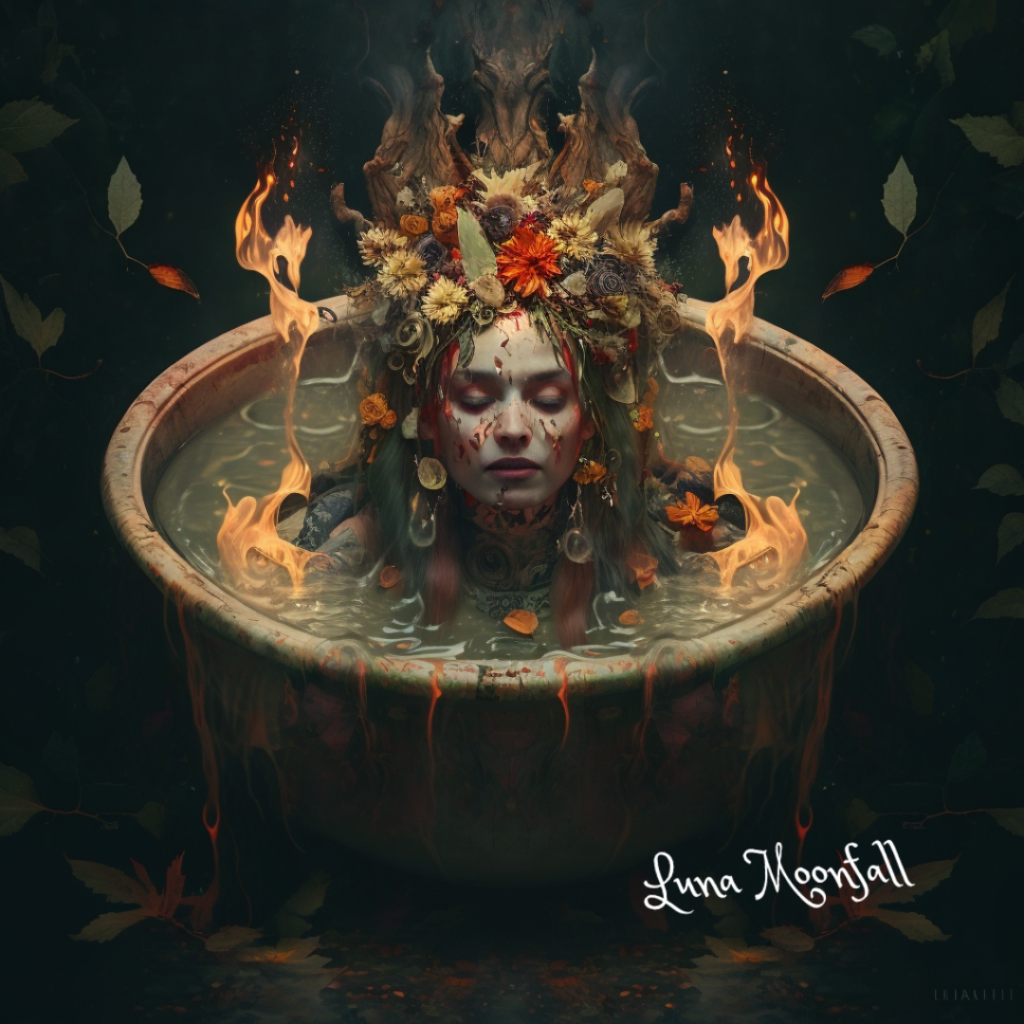
Beltane, also known as May Day, is one of the eight sabbats celebrated by Pagans, Wiccans and Witchcraft practitioners. It marks the beginning of summer and is celebrated on May 1st in the Northern Hemisphere. This festival is all about fertility, growth, and renewal. In 2026, this sacred sabbat is made even more powerful as it aligns with the Full Flower Moon, adding an extra layer of lunar energy to Beltane celebrations. In this blog post, we’ll explore the meaning, traditions, colours, food, flowers, and decorations associated with Beltane.
- When is Beltane 2026?
- The Flower Moon & Beltane 2026 Alignment
- Beltane Flower Moon Ritual (2026)
- Meaning of Beltane
- How to Pronounce Beltane
- Beltane Traditions
- How to Celebrate Beltane
- Beltane Feasts & Fires – The Heart of the Celebration
- The Tradition of Beltane Fires
- Beltane Feasts: Celebrating Abundance
- Beltane Correspondences
- Beltane Colors
- Beltane Symbols
- Beltane Deities
- Belanus – The Celtic Sun God of Beltane
- The Role of Belanus at Beltane
- Beltane Foods
- Herbs for Beltane
- Beltane Flowers
- Crystals for Beltane
- Beltane Tarot Card Correspondences
- Beltane Animal Associations
- Beltane Altar Decorations
- Beltane 2026 Guided Meditation & Ritual Video
- 🌿 Related Beltane Guides
- Watch the Beltane Video Guide on YouTube
When is Beltane 2026?
Friday, May 1, 2026
The Flower Moon & Beltane 2026 Alignment
In 2026, Beltane aligns with the Full Flower Moon, creating a rare and powerful energetic overlap. Both occur on May 1, 2026, amplifying themes of fertility, manifestation, abundance, and emotional expansion.
The Flower Moon, named for the abundance of blossoms in May, represents peak growth, beauty, and the full expression of intentions planted earlier in the year. When this lunar energy coincides with Beltane, it creates a potent portal for both earth-based and lunar magic.
This is an ideal time for:
- Love and attraction rituals
- Fertility and creativity workings
- Manifestation spells focused on growth and abundance
- Releasing emotional blocks under the full moon
The fire of Beltane combined with the illumination of the full moon brings balance between passion and intuition, making May 1, 2026 one of the most energetically charged days of the year.
Beltane Flower Moon Ritual (2026)
If you’re celebrating Beltane in 2026, you have a unique opportunity to work with both fire and full moon energy in a single ritual.
Simple Beltane Flower Moon Ritual:
- Light a candle or small fire to represent Beltane’s sacred flame
- Sit under the moonlight (or by a window if indoors)
- Hold a flower, herb, or crystal associated with love or abundance
- Set an intention for what you wish to grow in your life
- Speak your intention aloud, then visualize it fully blossomed
- Close by thanking both the Earth and Moon energies
This ritual is especially powerful for aligning your desires with natural cycles of growth and manifestation.
Meaning of Beltane
Beltane is a time to celebrate the abundance of life. It’s a time to honor the fertility of the earth, the growth of new life, and the renewal of the natural world in the peak of spring energy with heightened lunar influence in 2026. At Beltane, we honor the union of the god and goddess, which brings new life to the earth.
How to Pronounce Beltane
The word “Beltane” is typically pronounced as “BEL-tayn.” The emphasis is on the first syllable, “BEL,” and the “e” is pronounced like the “a” in “gate.” It’s a Gaelic word and is one of the eight pagan festivals in the Wheel of the Year, celebrating the beginning of summer.
Beltane Traditions
Beltane is a time of joy and celebration. It’s a time to dance around the Maypole, a tall pole decorated with flowers and ribbons. The Maypole represents the phallus, and the ribbons represent the feminine energy of the earth. As people dance around the Maypole, they weave the ribbons together, symbolizing the union of the god and goddess.
Another tradition of Beltane is the lighting of bonfires. In ancient times, people would light fires on the hillsides to honor the sun and bring fertility to their crops and animals. It was also a time for young people to jump over the flames, which was said to bring good luck and fertility.
How to Celebrate Beltane
1. Maypole Dancing: Maypole dancing is a traditional Beltane activity. Participants dance around a tall pole with ribbons, weaving intricate patterns as they go. It’s a symbol of fertility and the union of the God and Goddess.
2. Light a Bonfire: Lighting a bonfire is a key part of Beltane celebrations. It represents the sun’s growing strength and the return of warmth and abundance.
3. Decorate with Flowers: Adorn your home and altar with flowers, especially those in bloom during spring like roses, daisies, and lilacs. Floral wreaths and garlands are popular decorations.
4. Create an Outdoor Altar: If possible, take your ritual outdoors and create an altar in nature. Decorate it with symbols of Beltane, such as flowers, colorful ribbons, and fresh greenery.
5. Ritual Bath: Take a ritual bath infused with herbs and oils associated with Beltane. This can help cleanse and prepare you for the festivities.
6. Share a Feast: Prepare a feast with seasonal foods like strawberries, fresh greens, and honey. Share it with friends or family as a way to celebrate together.
7. Couples’ Celebrations: Beltane is a time for celebrating love and romance. Couples can exchange vows, jump over a small fire together (safely), or engage in other love rituals.
8. Make a May Basket: Create small baskets filled with flowers and leave them on the doorsteps of friends and neighbors as a gesture of goodwill and friendship. You can also exchange small seasonal offerings…here are some ideas for traditional Beltane gifts that align with the spirit of the sabbat.
9. Crafts and Art: Engage in Beltane-themed crafts or art projects. This can include making flower crowns, painting or drawing scenes of nature, or crafting symbols of fertility.
10. Meditation and Reflection: Take time to meditate on your goals and intentions for the coming season. Reflect on what you want to nurture and grow in your life. I will be posting a Beltane Guided Meditation on my YouTube channel in the coming weeks if you wish to join along.
11. Connect with Nature: Spend time in nature, whether it’s a hike, a picnic, or simply sitting in a park. Beltane is about connecting with the natural world.
12. Fertility Magic: If you’re inclined toward magic, perform rituals or spells related to fertility, abundance, and love.
Choose activities that resonate with you and bring a sense of happiness and connection. It’s also a time for honoring the beauty and vitality of the Earth as it bursts forth in full bloom.
Beltane Feasts & Fires – The Heart of the Celebration
Beltane is a fire festival, and the Beltane fires are one of its most iconic and sacred rituals. Historically, these fires were lit to honor the sun god Belanus and to promote fertility, abundance, and purification. People would gather around bonfires, jump over flames, and take part in rituals that symbolized the balance between the divine masculine (the fire) and the divine feminine (the earth’s fertility).
The Tradition of Beltane Fires
The Beltane fires were often set on hilltops or large open areas to signify the return of the sun’s warmth and strength. The fire symbolized the sun, and its power was used to protect the people and animals from disease, encourage fertility in crops, and ensure the success of the coming harvest.
- Jumping Over the Fire: In ancient times, it was customary for young couples or individuals to jump over the Beltane flames as a ritual of purification and a wish for fertility and good luck.
- Herbal Smoke: It was also common for participants to pass their livestock through the smoke of the fires for purification and blessings. The smoke was believed to cleanse and protect animals from illness, ensuring a healthy year ahead.
Beltane Feasts: Celebrating Abundance
Beltane Foods: You might include honey cakes, fresh greens, strawberries, and cream… foods that symbolize fertility, sweetness, and renewal.
- Gathering with Loved Ones: Feasts often take place around the fire, where friends, families, and communities come together to celebrate, share stories, sing, and dance.
- Beltane Foods: You might include honey cakes, fresh greens, strawberries, and cream—foods that symbolize fertility, sweetness, and renewal.
Beltane Correspondences
Beltane correspondences include symbols, colors, herbs, and other items associated with the festival.
Beltane Colors
- Green: Represents the lushness of spring and the return of life to the earth.
- Red/Pink: Symbolizes passion, love, and the vibrant energy of the season.
- White/Silver: Represents purity and the fullness of the moon, which is important in some Beltane traditions.
- Yellow: Represents the sun and the beginning of summer.
Beltane Symbols
- Broom: Used in some traditions for symbolic “sweeping away” of the old and welcoming the new.
- Cauldron: Represents the womb of the Goddess and is used for transformation and creation rituals.
- Ribbon and String: Used to weave and dance around the Maypole, symbolizing the interplay of energies.
Beltane Deities
Beltane is associated with deities of fertility, love, fire, and the wild forces of nature. Here are some commonly honored deities during this sabbat:
The May Queen – A divine embodiment of the fertile Earth or Goddess, often celebrated as a maiden or bride figure. She is often seen as the living spirit of spring and is central to many traditional Beltane celebrations.
The Green Man – A symbol of the God in his youthful, virile form, representing the spirit of the forest and nature’s wild abundance. He represents the wild, untamed masculine energy that rises alongside the Earth’s fertility at Beltane.
Flora – Roman goddess of flowers and spring, often invoked in Beltane flower festivals.
Pan – Greek god of the wild, shepherds, and fertility, closely tied to the raw, untamed energies celebrated at Beltane.
Bel/Belenus – Celtic god of the sun and fire, from whom the name “Beltane” is thought to be derived.
Rhiannon – Welsh goddess of fertility and sovereignty, sometimes honored for her connection to Beltane themes.
Freya – Norse goddess of love, sex, and fertility, often honored for her associations with passion and sacred sensuality.
If you’re looking to deepen your practice, explore a full list of Beltane goddess names and their meanings for ritual inspiration.
Belanus – The Celtic Sun God of Beltane
Belanus (also spelled Belenus) is one of the most important deities associated with Beltane, revered as the Celtic god of the sun and light. His name is thought to be derived from the word “Belenos”, meaning “shining” or “bright” in Old Celtic, symbolizing the life-giving and transformative power of the sun.
The Role of Belanus at Beltane
At Beltane, Belanus represents the power and vitality of the sun during the peak of spring, the time when the earth is most fertile. As the sun grows stronger and the days lengthen, his energy is believed to imbue the Earth with its abundance, vitality, and creativity. The Beltane fires were traditionally lit in his honor, believed to bring protection, prosperity, and fertility to the land.
- Symbolism: Belanus is often depicted as a radiant figure, a god whose presence infuses all living things with life and energy.
- Offerings: Traditionally, offerings to Belanus may include grains, herbs, or foods that symbolize growth and vitality. Some modern practitioners of Celtic traditions may also light a candle or dedicate a fire ritual to him on Beltane.
Beltane Foods
At Beltane, it’s traditional to have a feast with foods that represent the fertility of the earth. Some examples include strawberries, cherries, and other fruits, as well as honey cakes, bread, and cheese.
- Strawberries: Associated with love and passion.
- Honey: Symbolizes sweetness and abundance.
- Fresh Greens: Represent the vitality of spring.
- Oatcakes: Traditional Beltane food used in rituals and offerings.
It’s also a good time to plant your own garden or visit a local farmer’s market to support local agriculture.
Herbs for Beltane
Herbs play a significant role in Beltane celebrations and rituals. They are often used for their symbolic meanings, aromas, and magical properties. Here are some herbs commonly associated with Beltane:
1. Mugwort: Mugwort is believed to enhance psychic abilities and promote vivid dreams. It’s often used for divination and connecting with the spirit world.
2. Lavender: Lavender is known for its calming and soothing properties. It can help create a peaceful and relaxed atmosphere during Beltane rituals.
3. Rosemary: Rosemary is associated with love and protection. It’s often used to purify spaces and tools before rituals.
4. Thyme: Thyme is considered a herb of courage and strength. It can be used to boost energy and confidence during Beltane celebrations.
5. Vervain: Vervain is associated with purification, protection, and love. It’s often used in Beltane rituals to cleanse and prepare the sacred space.
6. Nettle: Nettle is a herb of vitality and strength. It’s believed to increase energy levels and promote good health.
7. Lilac: Lilac is known for its sweet fragrance and is associated with love and sensuality. It’s a beautiful addition to Beltane decorations and bouquets.
8. Hawthorn: Hawthorn blossoms are considered sacred to Beltane. They are associated with love, protection, and fertility.
9. Dandelion: Dandelion represents wishes, growth, and transformation. It can be used to symbolize the potential for change during Beltane.
10. Basil: Basil is associated with love, wealth, and protection. It’s often used in love spells and rituals.
11. Meadowsweet: Meadowsweet is associated with love, happiness, and marriage. It’s a lovely addition to Beltane decorations and offerings.
12. Chamomile: Chamomile is known for its calming and soothing properties. It can be used to create a sense of peace and relaxation during rituals.
13. Calendula: Calendula, or marigold, is associated with love and passion. It’s often used in love spells and rituals.
These herbs can be incorporated into various Beltane rituals, such as making herbal sachets, adding them to ritual baths, creating floral garlands, or using them as offerings on your Beltane altar. Be sure to research each herb’s properties and uses to determine how best to incorporate them into your Beltane practices.
Beltane Flowers
Flowers are an important part of Beltane, as they represent the fertility and beauty of the earth. Some traditional Beltane flowers include daisies, primroses, bluebells, and lilacs.
- Mayflowers: Especially hawthorn blossoms, which are considered sacred to Beltane.
- Roses: Symbolic of love and passion.
- Lilac: Represents the intoxicating scents of spring.
- Daisy: Signifies innocence and purity.
- Meadowsweet: Associated with love, happiness, and marriage.
These flowers can be used to decorate the Maypole, as well as the home and altar.
Crystals for Beltane
- Rose Quartz: Represents love and emotional healing.
- Emerald: Symbolic of Fertility, rebirth, and growth.
- Citrine: Symbolizes the sun’s growing strength and abundance.
Moonstone can also be added in 2026 to align with the Flower Moon’s intuitive and feminine energy.
Beltane Tarot Card Correspondences
Beltane, celebrated as a festival of fertility, fire, and abundance, aligns with several tarot cards that symbolize similar themes.
1. The Empress: The Empress is a powerful card representing fertility, abundance, and nurturing—core aspects of Beltane. She embodies the richness of the Earth and is often depicted surrounded by lush greenery and flowing streams, mirroring the fertile landscape of spring.
2. The Lovers: This card is a fitting representation of Beltane, highlighting themes of union, partnership, and harmony. The Lovers card can symbolize the romantic and passionate energies that are celebrated during this festival.
3. The Sun: Symbolizing joy, success, and vitality, The Sun card captures the essence of the fire celebrated at Beltane. It represents the light and energy needed for growth and the abundant positivity that Beltane embodies.
4. Ace of Wands: The Ace of Wands is a card of new beginnings, inspiration, and creative impulses, resonating with the Beltane spirit of new growth and potential. It emphasizes the spark of life and the initiation of energetic pursuits.
5. Three of Cups: This card often represents celebrations, community, and friendship, all of which are integral to Beltane festivities. It reflects the communal joy and the shared bonds that are strengthened during this time.
6. Ten of Pentacles: This card is associated with abundance, family, and long-term success. It aligns with the fertility aspect of Beltane, symbolizing not just material abundance but also a richness of home and hearth.
7. Page of Pentacles: Representing an opportunity for growth and the beginnings of a fruitful endeavor, the Page of Pentacles ties into the Beltane themes of planning for future success and planting seeds—both literally and metaphorically.
These cards, when used in a reading around the time of Beltane, can provide insights into growth, relationships, and personal development, reflecting the lush, expansive energy of the season.
Beltane Animal Associations
Beltane, with its strong connections to fertility, growth, and the vibrant life force of spring, resonates with several animals that symbolize these themes.
1. Rabbit or Hare: Rabbits and hares are perhaps the most iconic animals linked to Beltane due to their well-known fertility and ability to reproduce quickly. They are symbols of abundance and new beginnings.
2. Deer: Deer, especially stags, are symbolic of fertility, grace, and the forest. The stag is also a symbol of the Horned God, an important deity in many pagan traditions who is celebrated during Beltane.
3. Bees: Bees are crucial for pollination and are therefore deeply connected to the theme of fertility and the abundance of spring. They symbolize community, hard work, and the sweetness of life (honey), all of which are celebrated at Beltane.
4. Doves: Doves are symbols of peace, love, and harmony. Their presence underscores themes of gentleness and the sacredness of Beltane as a time of union and joy.
5. Swans: Swans are associated with beauty, grace, and love. They mate for life, thus symbolizing fidelity and the romantic aspects of Beltane.
6. Cows: Cows are traditionally driven between Beltane fires for purification and fertility blessings in some cultures. They symbolize nurturing and abundance, essential themes of the festival.
7. Goats: Goats are energetic and playful, representing vitality and the spirited fun that Beltane embodies. They are also linked to fertility and feasting.
These animals, through their various attributes, contribute symbolic meaning to Beltane rituals and celebrations, enhancing the festival’s connection to nature and the cycle of life.
Beltane Altar Decorations
In addition to flowers, other traditional Beltane decorations include ribbons, wreaths, and greenery. You can decorate your home and altar with these items to bring the energy of Beltane into your space. You can also create your own Maypole with a tall pole and ribbons in the traditional colors of Beltane.
Beltane 2026 Guided Meditation & Ritual Video
For a deeper experience, you can follow along with a guided Beltane ritual and meditation designed specifically for the Flower Moon alignment in 2026.
- Awakening inner growth and desire
- Connecting with Beltane fire energy
- Harnessing the power of the full moon for manifestation
Beltane is a time to celebrate the abundance of life and honor the fertility of the earth. In 2026, this energy is magnified by the presence of the Full Flower Moon, creating a rare opportunity to work with both fire and lunar magic at once. If you decide to either dance around the Maypole, light a bonfire, or set intentions under the moonlight, Beltane 2026 invites you into growth, passion, and possibility.
🌿 Related Beltane Guides
- The Green Man and the spirit of the wild
- The May Queen and her role in Beltane traditions
- A guide to Beltane goddess names
- Traditional Beltane gifts and offerings