
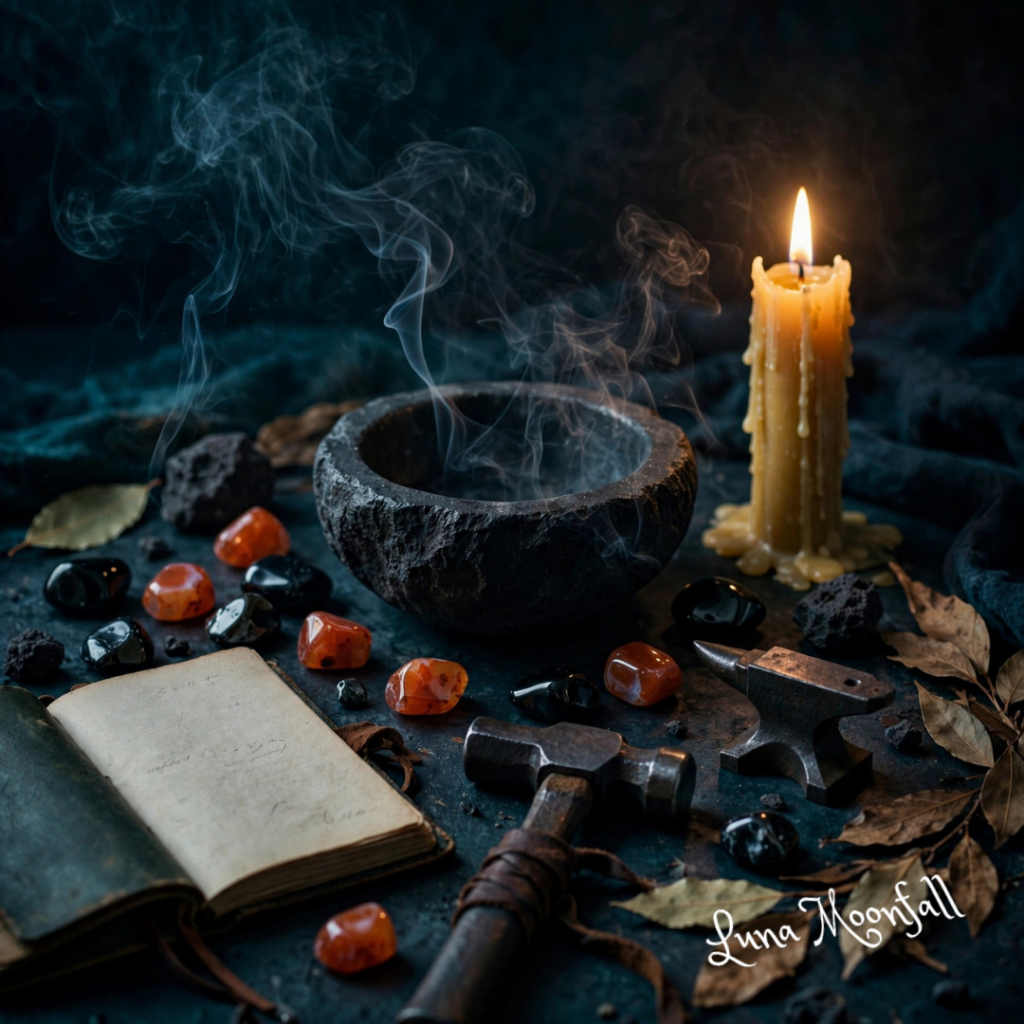
Every year on August 23, the ancient Roman festival of Vulcanalia honors Vulcan, the powerful god of fire, volcanoes, metalworking, and the forge. While this historic celebration originated more than two thousand years ago, its themes of transformation, protection, craftsmanship, and resilience continue to inspire people today.
If you’re wondering about the meaning of Vulcanalia, its historical traditions, or the 2026 date, this guide explores everything you need to know. We’ll look at how the festival was celebrated in ancient Rome, why it was held during the hottest part of summer, and how modern practitioners can respectfully draw inspiration from its enduring symbolism.
Although Vulcanalia is rooted in Roman religion rather than modern traditions, many spiritual practitioners appreciate its powerful symbolism of working with fire as a force of both creation and destruction. Vulcanalia offers a fascinating glimpse into one of the most important fire festivals of the ancient world.
In this guide, you’ll discover:
- The meaning of Vulcanalia and why it was celebrated
- The official Vulcanalia 2026 date
- Who the Roman god Vulcan was
- The history of this ancient Roman festival
- Traditional customs and celebrations
- Modern ways to honor the themes of Vulcanalia respectfully
This post may contain affiliate links. If you choose to make a purchase through these links, I may earn a small commission at no additional cost to you. These commissions help support Moonfall Metaphysical and allow me to continue creating free content, guides, and resources for the community.
I only recommend products, books, and tools that align with the spirit of this content and that I believe may genuinely be interesting, useful, or inspiring to readers.
What Is Vulcanalia?
Vulcanalia is an annual Roman festival dedicated to Vulcan, the god of destructive fire, volcanoes, blacksmiths, metalworking, and the forge. The festival takes place every year on August 23, when the intense heat and dry conditions of late summer once made devastating fires a constant threat throughout ancient Rome.
Unlike many deities associated solely with warmth or light, Vulcan represented the untamed power of fire. Fire could provide warmth, cook food, forge tools, and strengthen weapons, yet it could also destroy homes, crops, temples, and entire communities. This dual nature made Vulcan both respected and feared.
The timing of Vulcanalia was no coincidence. By late August, rivers and wells often ran low, crops had dried in the summer heat, and accidental fires could spread rapidly through wooden buildings and fields. The festival served as an opportunity for Romans to ask for Vulcan’s protection, hoping to prevent destructive fires during one of the year’s most dangerous seasons.
Public ceremonies were held throughout Rome, where offerings were made to honor the god and encourage his favor. Rather than celebrating fire itself, the festival reflected humanity’s desire to live in harmony with one of nature’s most powerful and unpredictable forces.
Today, Vulcanalia is remembered primarily as a historical observance, although history enthusiasts, mythology lovers, and some modern spiritual practitioners continue to recognize its significance. Many people view the festival as a reminder that great power can be both creative and destructive depending on how it is respected and used.
Vulcanalia Meaning
The meaning of Vulcanalia goes far beyond honoring a single Roman god. At its heart, the festival represents humanity’s relationship with fire…a force capable of creating civilization while also bringing sudden destruction.
The name Vulcanalia comes directly from Vulcan, whose name became associated with volcanoes, volcanic activity, and the blazing heat of the forge. Skilled blacksmiths relied on controlled fire to transform raw metal into tools, armor, and works of art, making Vulcan not only a deity of destructive flames but also one of craftsmanship, innovation, and transformation.
For the ancient Romans, fire was essential to everyday life. It cooked meals, heated baths, illuminated homes, powered workshops, and played an important role in religious ceremonies. At the same time, crowded cities filled with wooden structures remained highly vulnerable to devastating fires, particularly during the hottest weeks of summer.
Because of this balance between creation and destruction, the festival carried several symbolic meanings:
- Protection from accidental fires and natural disasters.
- Transformation through the refining power of fire.
- Craftsmanship and the mastery of practical skills.
- Respect for nature’s power rather than attempting to control it.
- Renewal by releasing what no longer serves a purpose.
Modern readers often find these themes surprisingly relevant. Just as metal is strengthened within the intense heat of a forge, life’s challenges can encourage personal growth, resilience, and creativity. While these interpretations are contemporary reflections rather than documented ancient Roman beliefs, they resonate with many people who appreciate the symbolic lessons of historical festivals.
Vulcanalia reminds us that even the most powerful forces can become sources of creativity, protection, and renewal when treated with wisdom and respect.
Vulcanalia Date 2026: When Is the Roman Festival Celebrated?
The Vulcanalia date remains the same every year: August 23. In 2026, Vulcanalia will be celebrated on Sunday, August 23, 2026.
Unlike modern holidays that may shift dates each year, the ancient Roman Vulcanalia festival followed the Roman religious calendar and was traditionally observed on the same day annually. The festival arrived during one of the hottest periods of the Mediterranean summer, a time when fires posed a serious danger to Roman communities.
The placement of Vulcanalia in late August was closely connected to seasonal conditions. Dry vegetation, high temperatures, and increased risk of accidental fires meant that honoring Vulcan was especially meaningful during this time of year. The festival was an opportunity for Romans to seek protection from destructive flames while showing respect for the powerful forces of nature.
For those interested in seasonal celebrations today, Vulcanalia can be viewed as part of a larger collection of ancient late-summer observances. Like many historical festivals, it reflects the relationship between people, the natural world, and the changing seasons.
Who Was Vulcan in Roman Mythology?
Vulcan was one of the major gods of ancient Rome, associated with fire, volcanoes, metalworking, craftsmanship, and the forge. He represented the controlled power of fire… the kind used by skilled artisans to shape raw materials into useful and beautiful creations.
In Roman mythology books, Vulcan was the divine blacksmith who created powerful weapons, armor, and objects for the gods. His workshop was believed to be located beneath volcanoes, where the heat of the earth represented his mighty forge.
Vulcan was the Roman counterpart of the Greek god Hephaestus, who also ruled over fire, metalworking, and craftsmanship. However, Roman traditions developed their own unique relationship with Vulcan, particularly emphasizing his role as a protector against destructive fires.
Vulcan’s connection to fire was complex. He was not just a god of destruction… he represented the balance between dangerous flames and the beneficial power of controlled fire. The same force that could consume a city could also create tools, art, weapons, and technology.
Some of the areas associated with Vulcan include:
- Fire and flames: The raw power of heat and transformation.
- Volcanoes: The immense energy hidden within the Earth.
- Blacksmithing: The skill of shaping metal through heat and effort.
- Craftsmanship: Creativity, patience, and mastery of a skill.
- Protection: Guarding communities from destructive fires.
Because of his connection to craftsmanship, Vulcan was also honored by people whose work involved fire and metal. Blacksmiths, artisans, and craftsmen viewed him as a powerful figure connected to their trades.
The History of the Roman Festival of Vulcanalia
The history of Vulcanalia reaches back to ancient Rome, where religious festivals were closely tied to daily life, agriculture, and the changing seasons. The Romans held festivals not only to honor their gods but also to maintain balance between humans and the natural world.
Vulcanalia was one of the Roman festivals dedicated to preventing harm rather than celebrating a victory or harvest. During the height of summer, fire was a constant concern. Homes, workshops, and buildings were often constructed with materials that could easily catch fire, and a single accident could spread quickly through crowded areas.
During the festival, Romans honored Vulcan through rituals and offerings intended to gain his favor and protection. Historical accounts describe offerings being made to Vulcan, including the sacrifice of small animals and symbolic offerings connected to fire and survival.
One unusual tradition associated with Vulcanalia involved Romans throwing small fish into ceremonial fires. These offerings were believed to represent a substitute sacrifice and were connected with the hope of preventing the loss of more valuable resources through destructive fires.
The festival also included prayers and ceremonies at temples dedicated to Vulcan. One of the oldest and most important sites connected with him was the Vulcanal, a shrine located near the Roman Forum. This sacred area was believed to have been established in Rome’s earliest history.
Over time, Vulcanalia became a reminder of the delicate relationship between civilization and the forces of nature. The festival acknowledged that fire was both a gift and a danger… a tool that allowed humans to create, but one that demanded caution and respect.
Although the original religious practices of ancient Rome are no longer followed in the same way, the story of Vulcanalia continues to provide insight into how ancient people understood the world around them. It remains a fascinating example of how seasonal Roman celebrations reflected concerns about survival, protection, and harmony with nature.
How Was Vulcanalia Celebrated in Ancient Rome?
The ancient Vulcanalia celebration focused on honoring Vulcan and seeking protection from the dangers associated with uncontrolled fire. Unlike some Roman festivals that centered around feasting, entertainment, or agricultural abundance, Vulcanalia carried a more protective and practical purpose.
Romans understood fire as a powerful force that could support daily life while also bringing destruction. Through offerings, prayers, and ceremonies, they hoped to maintain a respectful relationship with Vulcan and reduce the risk of devastating fires during the hottest part of summer.
Some traditional elements associated with the Roman festival of Vulcanalia included:
- Offerings to Vulcan: Romans presented offerings to honor the god and seek his protection. These offerings were a way of showing respect for the power of fire.
- Ceremonial fires: Fires played an important role in the festival, symbolizing both the dangerous and creative aspects of Vulcan’s power.
- Animal and symbolic sacrifices: Historical accounts describe offerings made as part of Roman religious customs of the time.
- Prayers for protection: Communities asked for safety from accidental fires and destructive flames.
- Community observance: Like many Roman religious festivals, Vulcanalia connected individuals with their wider community and shared traditions.
One of the most interesting customs linked to Vulcanalia was the practice of throwing small fish into fires as offerings. While the exact meaning of this ritual is debated, many historians believe it was connected with the desire to prevent greater losses and protect valuable resources from fire.
The festival reflects an important aspect of ancient Roman spirituality: nature was not viewed as something humans completely controlled. Instead, powerful forces such as fire, storms, and the changing seasons were respected through rituals designed to create balance between people and the world around them.
Symbols and Correspondences Associated With Vulcanalia
Because Vulcanalia was centered around fire, craftsmanship, and transformation, many symbols connected with the festival reflect the power of creation through heat and effort. While some modern correspondences are inspired interpretations rather than historically documented Roman practices, they can provide meaningful ways to explore the themes of Vulcanalia.
| Symbol or Correspondence | Meaning and Connection |
|---|---|
| Fire | Transformation, energy, creation, and the power to change. |
| Forge | Skill, patience, craftsmanship, and turning raw materials into something new. |
| Hammer and Anvil | Strength, determination, hard work, and creation through effort. |
| Volcanoes | The hidden power of the Earth and forces beyond human control. |
| Iron and Bronze | Metalworking, protection, tools, and ancient craftsmanship. |
| Flames | Purification, renewal, inspiration, and change. |
Colors Associated With Vulcanalia
Modern interpretations of Vulcanalia often incorporate colors connected with fire, metal, and the forge. These may include:
- Red: Passion, energy, strength, and the heat of flame.
- Orange: Creativity, inspiration, and transformation.
- Black: Charcoal, cooled metal, mystery, and protection.
- Gray: Ash, stone, and the materials shaped by fire.
- Silver: Metalworking, craftsmanship, and reflective energy.
Herbs, Incense, and Stones Inspired by Fire Symbolism
Those who enjoy incorporating herbs, incense, crystals, or natural elements into their spiritual practices may choose items that reflect the themes of fire and transformation. These are modern symbolic associations rather than confirmed ancient Roman Vulcanalia traditions.
- Rosemary: Often associated with remembrance, protection, and purification.
- Bay Laurel: Connected with victory, achievement, and inspiration in Roman culture.
- Cinnamon: Commonly associated with warmth, energy, and prosperity.
- Carnelian: A stone often linked with creativity, motivation, and courage.
- Garnet: Associated with passion, strength, and vitality.
- Obsidian: A volcanic stone connected with grounding and protection.
Modern Ways to Celebrate Vulcanalia
Although Vulcanalia was an ancient Roman festival, modern celebrations can focus on its symbolic themes of creativity, resilience, transformation, and respect for fire. Many people today explore historical festivals as a way to connect with mythology, seasonal cycles, and personal reflection.
If you wish to honor Vulcanalia in a modern way, consider creating a celebration centered around the qualities associated with Vulcan:
Create Something With Your Hands
Vulcan was the divine craftsman of the forge, making creativity and skill an important part of his symbolism. Spend time creating something meaningful, this can be something that is crafting, painting, gardening, writing, woodworking, cooking, or another hands-on activity.
Reflect on Personal Transformation
Fire has long been used as a symbol of change. Use Vulcanalia as an opportunity to reflect on what you are building, what skills you are developing, and what areas of your life may be ready for transformation.
Practice Fire Safety and Awareness
Because Vulcanalia honors the power of fire, it is also a reminder to treat flames with care and respect. If you choose to include candles or a small controlled fire in your observance, always follow proper fire safety practices by using a firesafe container and never leave flames unattended.
Honor Creativity and Craftsmanship
Consider dedicating time to learning a new skill or improving an existing one. You could consider working with plants, art, tools, or other creative pursuits, this reflects one of the strongest themes associated with Vulcan… the ability to transform raw materials into something valuable.
A modern Vulcanalia celebration does not need to recreate ancient Roman rituals. Instead, it can serve as a meaningful reminder of the lessons found in this historic festival: respect powerful forces, embrace creativity, and use challenges as opportunities for growth.
Simple Vulcanalia Fire Meditation for Transformation
While the original Roman festival of Vulcanalia involved specific religious customs that belonged to ancient Roman society, modern practitioners may choose to reflect on the symbolic themes of this powerful Roman festival. Fire has long represented transformation, creativity, strength, and renewal across many cultures.
This simple meditation is inspired by the symbolism of Vulcanalia and focuses on the idea of the forge: taking raw materials and transforming them into something stronger. It can be practiced as part of a personal Vulcanalia celebration or as a moment of reflection during late summer.
What You Will Need
- A quiet space where you can reflect
- A candle or another fire pit (optional)
- A journal or piece of paper
- A comfortable place to sit
Vulcanalia Meditation Steps
- Set your intention. Begin by reflecting on what you want to strengthen, improve, or transform in your life. Consider what skills you are developing or what challenges have helped you grow.
- Focus on the flame. If using a candle, observe the movement and warmth of the flame. Consider fire as a symbol of energy, creativity, and change. Remember that fire is powerful because it is respected and handled with care.
- Visualize the forge. Imagine yourself standing beside a forge, where raw materials are shaped through heat and patience. Reflect on how experiences in your own life have helped shape who you are becoming.
- Release what no longer serves you. Think about habits, fears, or obstacles that you are ready to transform. Imagine placing them into the symbolic fire and allowing them to become something new.
- Close with gratitude. Take a moment to appreciate your creativity, resilience, and ability to adapt. End your meditation by acknowledging the lessons that challenges have brought you.
Keep in your mind that this modern practice is a personal reflection inspired by the symbolism of Vulcanalia rather than a reconstruction of ancient Roman religious rites.
Vulcanalia Journal Prompts for Reflection
Journaling is a wonderful way to explore the deeper themes behind the Vulcanalia meaning. Since Vulcan was connected with craftsmanship and transformation, this festival offers an opportunity to reflect on the things you are creating in your own life.
Try using these prompts during your August 23, 2026 celebration:
- What areas of my life are currently being transformed?
- What skills or talents do I want to strengthen?
- What challenges have helped me become more resilient?
- What am I ready to release so I can grow?
- What creative projects or dreams do I want to bring into reality?
- How can I work with my own personal “fire” in a balanced way?
- What qualities do I want to forge within myself?
Creating a Vulcanalia Altar or Sacred Space
For those who enjoy creating seasonal altars or spiritual spaces, a Vulcanalia-inspired altar can focus on the themes associated with Vulcan: fire, craftsmanship, creativity, and transformation.
Rather than attempting to recreate an ancient Roman shrine, consider creating a modern symbolic space that reflects your own intentions.
Items You May Include
- A candle: Representing the element of fire and transformation.
- Metal objects: Representing Vulcan’s connection to forging and craftsmanship.
- Stones: Such as volcanic stones or crystals associated with strength and creativity.
- Herbs: Items connected with protection, inspiration, or purification.
- Tools or handmade items: Honoring creativity and personal skill.
- Journal pages or written intentions: Representing goals you are working to create.
Vulcanalia Intention Ideas
You may choose an intention based on the themes of the festival, such as:
- “I transform challenges into strength and wisdom.”
- “I honor my creativity and the skills I continue to develop.”
- “I use my inner fire with purpose and balance.”
- “I release what no longer supports my growth.”
These intentions are modern spiritual reflections and are not historical Roman prayers. They are inspired by the symbolism associated with Vulcanalia and the enduring human connection with fire as a source of transformation.
Vulcanalia and the Fire Element
The connection between Vulcanalia and fire is one of the reasons this ancient Roman celebration remains fascinating today. Fire has always carried deep symbolism across cultures because it represents both creation and destruction.
Through the forge, fire transforms metal into something stronger. Through warmth and light, fire supports life. Yet through uncontrolled flames, fire can also cause devastation. This balance is at the heart of Vulcanalia’s symbolism.
For modern spiritual practitioners, the fire element is often associated with:
- Passion and motivation
- Courage and confidence
- Creativity and inspiration
- Transformation and renewal
- Personal power
Reflecting on these themes can make Vulcanalia a meaningful seasonal observance, you could approach it through mythology, history, personal growth, or spiritual practice.
Frequently Asked Questions About Vulcanalia
What is Vulcanalia?
Vulcanalia is an ancient Roman festival held each year on August 23 to honor Vulcan, the Roman god of fire, volcanoes, metalworking, and craftsmanship. The festival focused on seeking protection from destructive fires and showing respect for the powerful force of flame.
Unlike celebrations focused only on fire as a source of warmth or light, Vulcanalia recognized the dual nature of fire. It represented both creation and destruction, reminding Romans that powerful natural forces required respect and balance.
What is the meaning of Vulcanalia?
The meaning of Vulcanalia is connected to transformation, protection, craftsmanship, and humanity’s relationship with fire. In ancient Rome, the festival honored Vulcan and sought his favor during the hottest and driest part of summer when fires were a serious concern.
Today, many people interpret Vulcanalia symbolically as a time to reflect on personal transformation, creativity, resilience, and the ability to turn challenges into opportunities for growth.
When is Vulcanalia in 2026?
The Vulcanalia date in 2026 is Sunday, August 23, 2026.
The festival is traditionally observed on August 23 every year, making it one of the fixed-date festivals of the ancient Roman religious calendar.
Who was Vulcan in Roman mythology?
Vulcan was the Roman god associated with fire, volcanoes, metalworking, and the forge. He was believed to be the divine blacksmith who created weapons, tools, and objects for the gods.
Vulcan represented the creative side of fire (the ability to shape and transform materials through heat and skill) while also embodying the dangerous power of uncontrolled flames.
Is Vulcanalia still celebrated today?
Vulcanalia is not widely celebrated as a public holiday today, but it continues to interest historians, mythology enthusiasts, and some modern spiritual practitioners.
Many people explore Vulcanalia as a way to learn about ancient Roman traditions or reflect on themes of fire, transformation, creativity, and craftsmanship. Modern observances are personal interpretations rather than direct continuations of ancient Roman religious practices.
How can I celebrate Vulcanalia today?
A modern Vulcanalia celebration can focus on creativity, transformation, and appreciation for the power of fire. Some ideas include:
- Learning about Roman mythology and the history of Vulcanalia
- Creating something by hand as an act of craftsmanship
- Journaling about personal growth and transformation
- Reflecting on the symbolism of fire
- Creating a seasonal altar inspired by fire and creativity
- Practicing a fire meditation using a safely monitored candle
The most important aspect of a modern observance is approaching the festival with respect for its ancient origins while finding personal meaning in its symbolism.
What symbols are associated with Vulcanalia?
Symbols commonly associated with Vulcanalia include fire, flames, volcanoes, the forge, hammers, anvils, metal, and craftsmanship. These symbols represent transformation, strength, creativity, and the power to shape something new.
What offerings were made during Vulcanalia?
Ancient Romans made offerings to Vulcan as part of the festival’s religious customs. Historical sources describe sacrifices and symbolic offerings intended to honor the god and request protection from destructive fires.
One unusual tradition associated with Vulcanalia involved throwing small fish into ceremonial fires. The exact meaning of this practice is uncertain, but historians believe it was connected with Roman ideas about sacrifice and protection.
Closing Thoughts on Vulcanalia 2026
The ancient Roman festival of Vulcanalia offers a fascinating look into how people once understood and respected the forces of nature. Held on August 23, this historic celebration honored Vulcan, a god who represented both the dangers and the creative potential of fire.
At its core, the meaning of Vulcanalia is about balance. Fire can destroy, but it can also create. It can consume, but it can also transform. Through the symbolism of the forge, Vulcanalia reminds us that growth often comes through pressure, patience, and the willingness to create something new.
Vulcanalia provides an opportunity to explore themes of creativity, resilience, and transformation.
As you observe Vulcanalia 2026 on Sunday, August 23, consider reflecting on your own inner fire: the passions you nurture, the skills you develop, and the transformations you are creating in your own life.
Continue Your Journey
If you enjoy learning about seasonal festivals, rituals, and spiritual traditions, you may also enjoy exploring these related topics:
- Lughnasadh 2026: Meaning, Rituals, Traditions, and Ways to Celebrate the First Harvest Festival
- A Complete Guide to the 2026 Lion’s Gate Portal 8/8
- Candle Color Meanings & Magick| How to Use Candles in Witchcraft
- Venus Goddess of Love in Roman Mythology: Honoring Love, Passion, and Feminine Power
- Ultimate Guide to Return to Sender Spells: Lemon & Black Candle Ritual for Protection and Karmic Justice
- September 2026 Full Moon Spiritual Meaning: Harvest Moon, Aries & Rituals
- September New Moon 2026: Spiritual Meaning, Virgo New Moon Rituals & Manifestation