
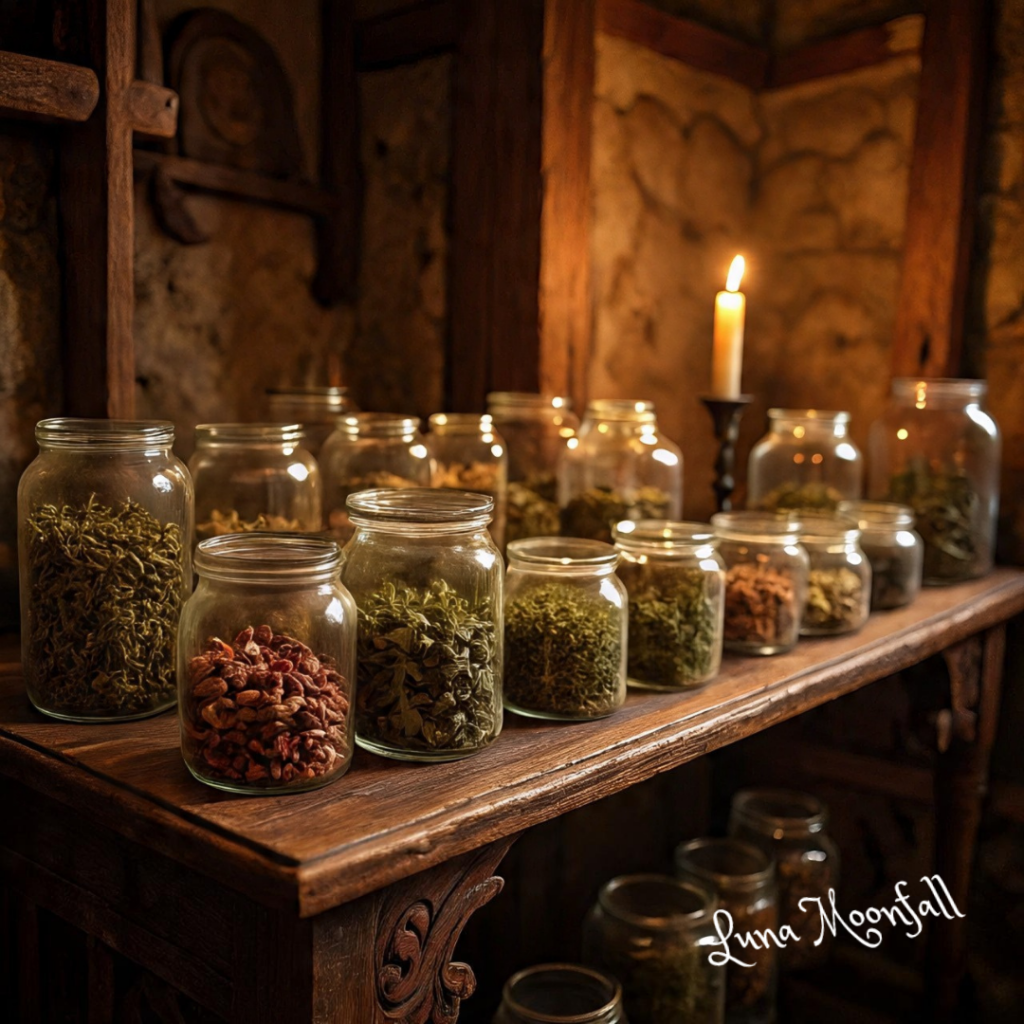
As summer begins to fade toward autumn, fields, meadows, and woodland edges can be filled with herbs, flowers, berries, and seed heads ready for harvesting. For those who practice witchcraft, late summer is an especially interesting time to forage, as many plants have reached the peak of their growing season.
From mugwort and yarrow to goldenrod and rose hips, the plants growing around us have long been associated with protection, prosperity, love, divination, healing, and other forms of folk magic.
In this guide, we’ll explore 12 herbs and wild plants commonly encountered in late summer, along with their magical associations, harvesting tips, and ideas for preserving your harvest.
Foraging Tips and Ethical Harvesting
Before heading outside with your basket, there are a few important things to keep in mind.
Harvest with respect. Take a moment to appreciate the plant and the land before harvesting. For many practitioners, this is an important part of connecting with the spirit of the land.
Take only what you need. Avoid stripping an entire plant or harvesting from a small population. A good rule is to leave plenty behind for wildlife, pollinators, and the plant’s continued growth.
Leave the roots intact. Unless a plant is abundant and you have a specific reason for harvesting the root, focus on leaves, flowers, and berries.
Know what you’re picking. Correct identification is essential. Several edible and non-toxic plants have poisonous lookalikes, and some plants can be harmful if handled or consumed incorrectly.
Check local regulations. Foraging may be restricted in parks, protected areas, or on land you don’t own. Always make sure you’re allowed to harvest where you are.
Avoid contaminated areas. Roadsides, areas treated with pesticides, industrial sites, and places frequented by dogs or livestock aren’t good places to collect plants for later use.
Important: Magical use does not make a plant safe to consume. Some plants in this guide have toxic lookalikes or other safety concerns. If you plan to use a plant internally, rely on a qualified botanical or medical reference and positive identification rather than a magical correspondence.
12 Magical Herbs and Wild Plants of Late Summer
1. Mugwort (Artemisia vulgaris)
Where: Fields, meadows, roadsides, woodland edges, and disturbed ground.
Magical associations: Dreams, intuition, divination, protection, and psychic awareness.
Mugwort has a long history of association with dreams and divination in European folk traditions. In modern witchcraft, it is often used in dream sachets, incense blends, altar work, and rituals involving intuition.
Harvesting tip: Harvest healthy leaves and flowering tops from a clean, well-established plant. Allow plenty of the plant to remain growing.
For a simple magical use, dry a small amount of mugwort and place it in a sachet beside your bed as part of a dreamwork practice.
2. Goldenrod (Solidago spp.)
Where: Fields, meadows, sunny clearings, and roadsides.
Magical associations: Abundance, prosperity, success, and attraction.
Goldenrod’s bright yellow flowers appear toward the end of summer, making it a natural addition to seasonal altars and abundance workings.
Harvesting tip: Take only a small number of flower heads and leave plenty available for bees and other pollinators.
Add dried goldenrod to an abundance jar, seasonal altar arrangement, or prosperity sachet.
3. Yarrow (Achillea millefolium)
Where: Meadows, grasslands, pastures, roadsides, and open fields.
Magical associations: Protection, courage, boundaries, love, and divination.
Yarrow has a long history in European folk traditions and has developed strong associations with protection and love magic.
Harvesting tip: Flowering tops and leaves can be dried for later magical use. Harvest on a dry day after the morning dew has evaporated.
Keep dried yarrow in your witchcraft cupboard for protection sachets, charm bags, and seasonal altar work.
4. Plantain (Plantago major and related species)
Where: Lawns, paths, gardens, fields, and disturbed ground.
Magical associations: Healing, grounding, protection, resilience, and banishing.
Plantain is one of those plants that is easy to overlook because it grows almost everywhere. Its humble appearance makes it a lovely symbol of resilience and persistence.
Harvesting tip: Choose healthy leaves from clean areas away from roads, chemical treatments, and animal waste.
Use dried plantain in symbolic healing or grounding workings, protection sachets, or nature-based altar arrangements.
5. Rose Hips (Rosa spp.)
Where: Wild rose bushes, hedgerows, woodland edges, and gardens.
Magical associations: Love, compassion, friendship, emotional healing, and the heart.
By late summer, many wild roses begin producing bright red-orange hips. These colorful fruits are a reminder that the rose’s season doesn’t end when the petals fall.
Harvesting tip: Harvest ripe hips from plants you can positively identify. The tiny hairs inside the hips can be irritating, so handle and prepare them carefully.
Dried rose hips can be added to seasonal altar displays, love charms, or symbolic offerings.
6. Red Clover (Trifolium pratense)
Where: Meadows, lawns, fields, and grassy areas.
Magical associations: Luck, prosperity, love, harmony, and abundance.
Red clover’s familiar pink-purple flower heads make it an easy addition to late-summer magical work.
Harvesting tip: Pick flower heads on a dry day and allow them to dry thoroughly before storing.
Add dried red clover to a prosperity sachet, love charm, or seasonal herb blend.
7. Elderberries (Sambucus spp.)
Where: Hedgerows, woodland edges, stream banks, and gardens.
Magical associations: Protection, transformation, ancestors, boundaries, and the spirit world.
Elder has a rich history in European folklore, with stories and traditions surrounding the tree, its flowers, and its berries.
Harvesting tip: Correct identification is essential. Raw or unripe elderberries and other parts of the plant can cause illness. Do not consume elderberries raw; properly prepared berries are used in food traditions.
For magical purposes, dried elderberries can be incorporated into symbolic protection or ancestral workings without consuming them.
8. Chicory (Cichorium intybus)
Where: Roadsides, fields, meadows, and disturbed ground.
Magical associations: Clarity, resilience, overcoming obstacles, and opening roads.
Chicory’s striking blue flowers often appear along roadsides and field edges during late summer.
Harvesting tip: Harvest flowers from clean areas and avoid collecting beside busy roads.
Use dried chicory flowers in symbolic road-opening work, altar arrangements, or charms focused on clarity and moving forward.
9. Queen Anne’s Lace (Daucus carota)
Where: Fields, roadsides, meadows, and sunny open areas.
Magical associations: Feminine energy, fertility, intuition, beauty, and psychic awareness.
The delicate white flower clusters of Queen Anne’s Lace are a familiar sight in late-summer fields.
Harvesting tip: Identification is critical. Queen Anne’s Lace has dangerous lookalikes, including poison hemlock. Do not harvest or handle a plant unless you are completely confident in your identification.
For magical purposes, the flowers can be used symbolically in seasonal altar arrangements and workings connected with intuition and feminine energy.
10. St. John’s Wort (Hypericum perforatum)
Where: Meadows, fields, sunny slopes, roadsides, and disturbed areas.
Magical associations: Protection, courage, confidence, warding, and banishing.
St. John’s Wort has a long history in European folk traditions and has been associated with protection and the summer solstice.
Harvesting tip: Harvest flowering tops from healthy plants growing in clean areas and dry them thoroughly before storage.
Use dried St. John’s Wort as a symbolic ingredient in protection sachets, charm bags, and seasonal altar work.
Safety note: St. John’s Wort can interact with many medications and can increase sensitivity to sunlight. Magical association does not make it appropriate for ingestion.
11. Mullein (Verbascum thapsus)
Where: Open fields, roadsides, disturbed ground, and dry sunny areas.
Magical associations: Protection, courage, boundaries, spirit communication, and ancestral work.
Mullein is unmistakable once its tall flowering stalk appears, often towering above surrounding grasses and plants.
Harvesting tip: The soft leaves can be dried for symbolic magical use. Harvest responsibly and leave enough of the plant intact to support its growth and reproduction.
Mullein can be added to protection jars, altar arrangements, and workings involving courage or spiritual boundaries.
12. Black Nightshade (Solanum nigrum)
Where: Fields, gardens, disturbed ground, and woodland edges.
Magical associations: Shadow work, transformation, protection, banishing, and working with hidden aspects of the self.
Black nightshade is a plant that deserves considerably more caution than many of the herbs on this list. Its appearance can vary, and several plants in the Solanum family can be difficult to distinguish from one another.
Important: Do not consume this plant. Identification and toxicity can vary by species and growing conditions, and some parts of nightshade plants can be poisonous.
For witchcraft, it is best approached as a symbolic plant rather than something to experiment with internally. If used at all, consider non-consumptive applications such as observing the plant, creating artwork inspired by it, or using an appropriately identified dried specimen for symbolic altar work.
How to Preserve Your Foraged Herbs
Once you’ve gathered your harvest, proper storage will help you keep your herbs available for future magical work.
Air Drying
Air drying is one of the simplest methods for preserving leaves and flowers.
Gather small bunches and hang them upside down in a dry, dark, well-ventilated area. You can also spread individual leaves and flowers in a single layer on a drying rack or clean tray.
Avoid thick bundles and damp conditions, as trapped moisture can encourage mold.
Once completely dry, store the herbs in airtight glass jars away from direct sunlight.
Freezing
Some fresh plant material can be frozen for later use.
Gently clean appropriate herbs, pat them thoroughly dry, and place them in airtight containers or freezer bags.
Freezing is particularly useful when you want to preserve fresh plant material for non-dried applications, although dried herbs are generally more convenient for long-term magical storage.
Creating Herb Blends
Instead of preparing every plant separately, you can create seasonal magical herb blends once your harvest is completely dry.
For example, a late-summer protection blend might combine small amounts of dried yarrow, mugwort, and mullein.
Keep blends focused and label each jar with the ingredients, date, and intended magical correspondence.
Herb Salts and Sugars
For culinary herbs that you have positively identified as food-safe, herb salts and sugars can be a fun way to preserve a seasonal harvest.
However, not every magical herb belongs in the kitchen. Never add a plant to food simply because it has a culinary-sounding magical association.
When in doubt, keep your magical herbs separate from ingredients intended for consumption.
Label Everything
One of the easiest ways to keep an herb collection organized is to label every jar.
Include:
- Plant name
- Date harvested
- Location or general growing area
- Intended magical use
- Any relevant safety notes
This is especially helpful when your witchcraft cupboard starts filling with several jars of dried leaves and flowers that all look surprisingly similar.
How to Use Foraged Herbs in Witchcraft
Once your herbs are dried and properly stored, there are plenty of ways to incorporate them into your practice.
Create Charm Bags
Combine dried herbs according to their magical correspondences and place them in a small fabric pouch. Carry the pouch with you or keep it on your altar.
Make Seasonal Altar Arrangements
Flowers, leaves, berries, and seed heads can bring the energy of the landscape into your sacred space.
Late-summer herbs work especially well on Mabon and other harvest-season altars.
Add Herbs to Spell Jars
Choose herbs based on their traditional magical associations and create a small jar focused on a particular intention such as protection, prosperity, courage, or love.
Create Herb Bundles
Certain dried herbs can be bundled for symbolic use, altar decoration, or carefully controlled incense practices. Always research a plant before burning it, as not every herb is appropriate for smoke or indoor use.
Use Herbs in Divination
Plants associated with dreams, intuition, and divination can be incorporated into tarot spaces, dream journals, or other divination practices.
Mugwort and yarrow are particularly popular choices in modern witchcraft.
Foraging as a Seasonal Witchcraft Practice
Late-summer foraging is about more than bringing plants home.
It creates an opportunity to slow down, pay attention to the landscape, and notice what is growing around you as the season begins to change.
A handful of goldenrod from a sunny field, a few rose hips from a wild rose, or a sprig of yarrow can become a physical reminder of the season you gathered it in.
For witches who work with seasonal cycles, this makes foraging a natural companion to the transition from summer into autumn. The plants around us change with the wheel of the year, and our practices can change with them.
Gather thoughtfully, identify everything carefully, and leave plenty behind for the land and the creatures who depend on it.
The most meaningful harvest isn’t necessarily the biggest one. Sometimes it’s the handful you gathered slowly, knowing exactly where it came from and why you chose it.
Related Posts
- Black Nightshade Uses in Witchcraft
- Witchy Things to Do in September
- Mabon: A Witch’s Guide to Embracing and Celebrating the Harvest Season
- September’s 9/9 Portal: Let Go, Align, and Manifest Your Highest Self