
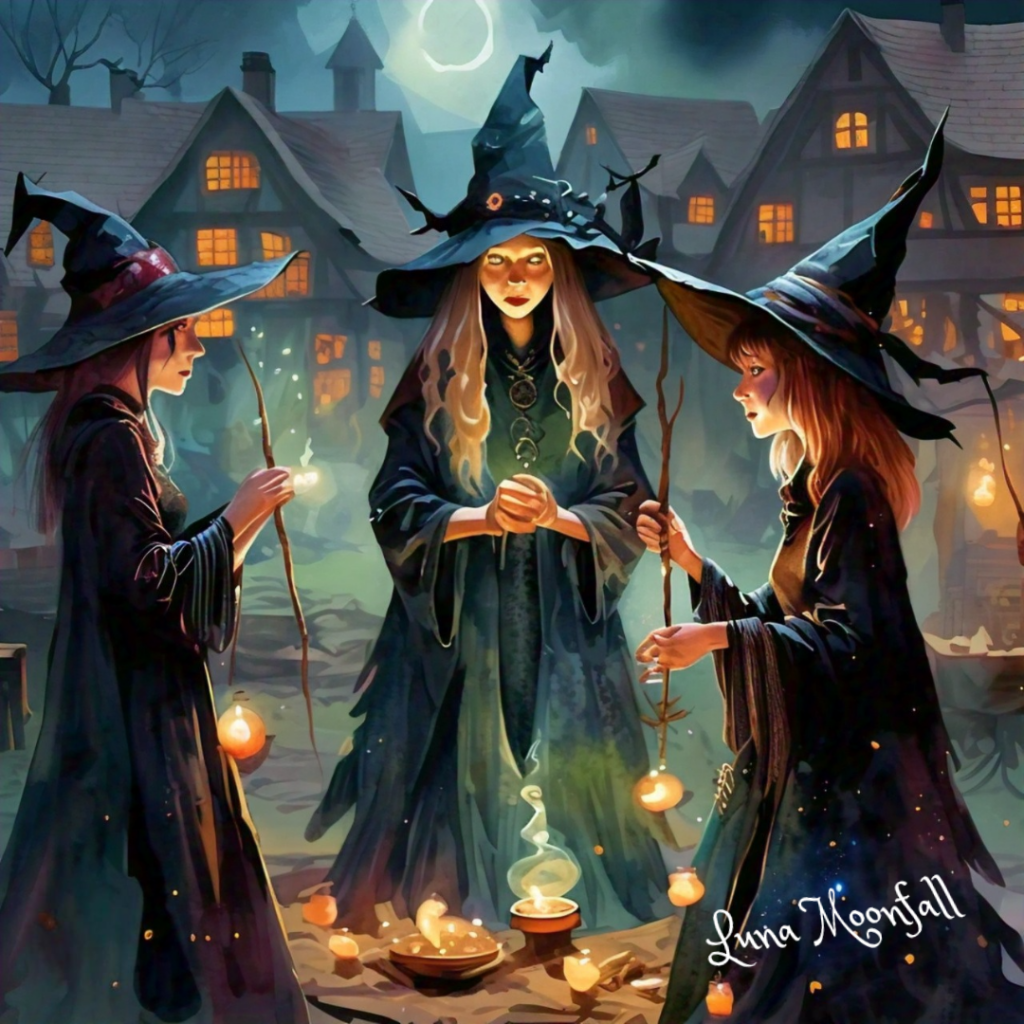
As the last remnants of winter dissolve into spring, the night of April 30th in Germany comes alive with firelight, dancing, and whispers of ancient magic. This night, steeped in folklore and mysticism, is known as Walpurgisnacht or the Night of the Witches. It’s a time when the veil between worlds feels thinner, the air hums with possibility, and modern revelers honor a tradition that dates back centuries.
The Origins of Walpurgisnacht
Walpurgisnacht takes its name from Saint Walpurga, an 8th-century abbess whose feast day is May 1st. However, the celebration’s roots stretch far deeper into pre-Christian times. Historically, April 30th marked a significant point in the seasonal cycle: a transition from the darker half of the year to the light. Ancient Germanic tribes believed this night was rife with spirits and supernatural forces.
To protect themselves from wandering witches and other malevolent beings, people would light bonfires, create loud noises, and wear masks to frighten away any lurking evil. Over time, these protective rituals morphed into a night of revelry and enchantment.
The Witches of the Brocken
One of the most enduring legends of Walpurgisnacht centers on the Brocken, the highest peak in the Harz Mountains. Folklore claims that witches gather here on this mystical night, engaging in wild dances and casting their spells. The image of witches soaring on broomsticks to their sabbath was popularized through literature, such as Goethe’s Faust, which immortalized the eerie allure of the Brocken’s witchy gatherings.
Today, the Brocken remains a focal point for Walpurgisnacht celebrations, drawing thousands of visitors eager to experience its otherworldly charm.
Modern Celebrations
Walpurgisnacht has evolved into a lively event blending ancient tradition with contemporary festivities. Across Germany, particularly in regions like the Harz Mountains, people don witchy costumes, light massive bonfires, and join in music, dance, and theater performances. Markets often spring up, offering everything from mystical trinkets to hearty local food.
For some, Walpurgisnacht is a fun-filled festival; for others, it’s a time to reflect on the season’s energy and engage in personal rituals. Many practitioners of modern witchcraft honor the night with spellwork focused on protection, purification, and renewal.
Magical Traditions You Can Try
Even if you’re far from Germany, you can still tap into the magic of Walpurgisnacht. Here are a few ways to celebrate:
Light a Candle or Fire: Bonfires symbolize purification and ward off negativity. A simple candle can carry the same intent.
Cleansing Rituals: Use this time to cleanse your space, whether with smoke, sound, or salt. Let go of what no longer serves you.
Dance Beneath the Moon: Channel your inner witch by dancing freely under the night sky. This is a celebration of life and renewal.
Make a Protective Charm: Craft a talisman to keep bad energy at bay as you embrace the coming season.
Meditate on Transformation: Reflect on what you want to release and what you wish to grow as you step into the light of spring.
The Night of the Witches reminds us that magic is everywhere, waiting to be discovered. Whether you see it as an opportunity for celebration, reflection, or ritual, Walpurgisnacht invites you to embrace the mystical energy of transformation and renewal.